
The First 90 Days After a Heart Attack: What Nobody Prepares You For

A practical guide to the physical, emotional, and everyday parts of recovery after you leave the hospital
A heart attack can change your life in a matter of minutes.
One moment, you may be going through a normal day. The next, you may be surrounded by doctors, nurses, monitors, medications, blood tests, and words you have never heard before.
Then something surprising happens.
You go home.
The hospital may have saved your life, but going home can be the beginning of a completely different challenge.
You may wonder:
Is my heart safe now?
Why am I so tired?
What am I allowed to do?
Should I be checking my blood pressure all the time?
What if I feel something in my chest?
Can I exercise?
Will I ever feel normal again?
Could another heart attack happen?
These questions can make the first weeks after a heart attack feel uncertain.
Recovery is also different for every person. The type of heart attack you had, how much heart muscle was affected, whether you received a stent or surgery, your other health conditions, your medications, and your overall fitness can all affect recovery.
That is why your personal instructions must come from your healthcare team.
But there are several parts of recovery that every survivor and family should understand.
This guide walks through the first 90 days and explains what may be happening physically, emotionally, and practically as you begin rebuilding your life.
First, What Actually Happened to Your Heart?
A heart attack is also called a myocardial infarction, or MI.
A heart attack happens when blood flow to part of the heart becomes blocked or greatly reduced. Without enough blood and oxygen, heart muscle can become damaged.
One common cause is coronary artery disease.
Over time, fatty material called plaque can build up inside the arteries that supply blood to the heart. Sometimes a plaque can break open. A blood clot may then form around it and block blood flow.
Doctors may use several treatments to restore blood flow.
These can include:
medications
angioplasty
placement of a coronary stent
coronary artery bypass surgery
other treatments based on the situation
Opening a blocked artery is extremely important.
But treating the blockage does not mean that everything immediately goes back to the way it was before the heart attack.
Recovery has just begun.
Why the First 90 Days Matter

The first three months can be an important period for recovery.
During this time, you may be:
healing from the heart attack or procedure
adjusting to new medications
learning your limits
beginning cardiac rehabilitation
returning to physical activity
changing eating habits
managing blood pressure
addressing cholesterol or blood sugar
trying to sleep normally again
returning to work
dealing with fear or anxiety
attending follow-up appointments
learning how to recognize symptoms
trying to understand what caused your heart attack
That is a lot to handle.
You do not have to master everything at once.
Think of the first 90 days as a period of learning, healing, and rebuilding.
Days 1–7: Coming Home Can Feel Harder Than Expected
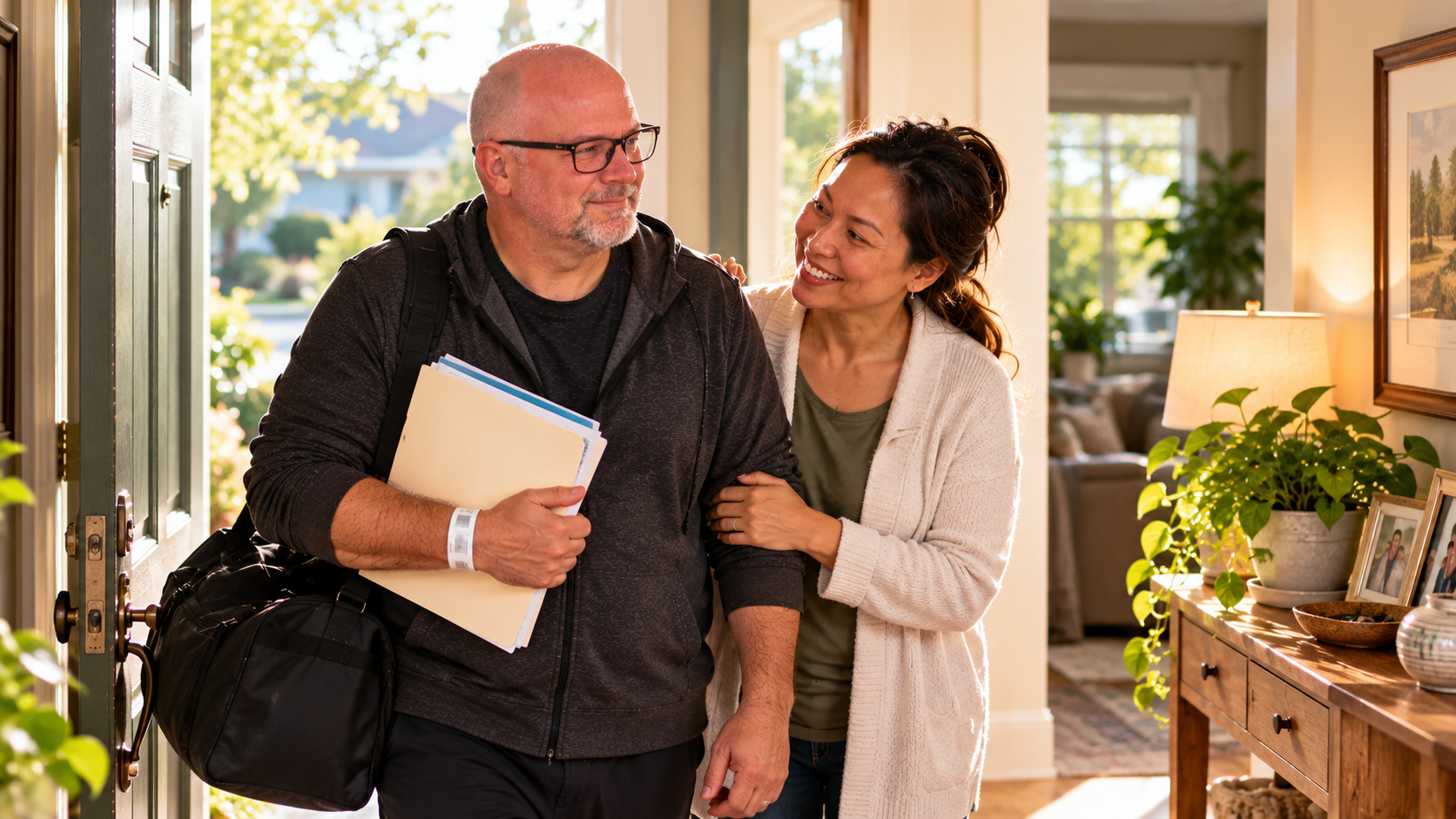
Leaving the hospital is usually good news.
But home can feel very different from the hospital.
At the hospital, someone was checking on you. Machines may have monitored your heart. Nurses gave you medications. Doctors were nearby.
Then you arrive home.
The monitors are gone.
The nurses are gone.
And suddenly you are responsible for following a new plan while trying to understand what your body is telling you.
That can feel overwhelming.
Fatigue Can Be Part of Early Recovery
Many people expect to feel immediately better after leaving the hospital.
Instead, they may feel tired.
Simple activities may take more energy than expected.
You might shower and want to rest.
You might walk around the house and feel tired.
You might have a conversation with visitors and then want a nap.
MedlinePlus notes that people may feel tired after leaving the hospital following a heart attack.
Your body has been through a major medical event.
That does not mean every case of fatigue should automatically be blamed on recovery. New, severe, worsening, or concerning symptoms should be discussed with your healthcare professional.
The important lesson is this:
Recovery does not always feel like progress every day.
Some days may feel better than others.
Your Medication List May Suddenly Be Much Longer

Many survivors leave the hospital with medications they were not taking before.
Depending on your condition, these may include medicines that:
reduce the chance of blood clots
lower cholesterol
lower blood pressure
reduce the workload on the heart
help manage chest discomfort
treat diabetes or other risk factors
The exact medications depend on the person.
One of the most important things you can do after discharge is understand your medication plan.
Do not guess.
For each medicine, consider asking:
What is this medication called?
Why am I taking it?
What time should I take it?
Should I take it with food?
What should I do if I miss a dose?
What side effects should I watch for?
Are there foods, supplements, or over-the-counter medicines I should avoid?
How long am I expected to take it?
Who should I call if I think it is causing a problem?
Keep an updated medication list with you.
Include supplements, vitamins, herbs, and over-the-counter products too.
Never stop a heart medication on your own.
This is especially important after certain heart procedures.
For example, people with acute coronary syndrome may be prescribed more than one antiplatelet medication to reduce the risk of blood clots. Current guidelines include specific recommendations about how these medicines are used after acute coronary syndrome and stent procedures.
The correct plan depends on factors such as bleeding risk and the treatment you received.
If you think a medication is causing a problem, contact your healthcare professional rather than simply stopping it.
The Question Many Survivors Ask: “Is This Feeling Normal?”
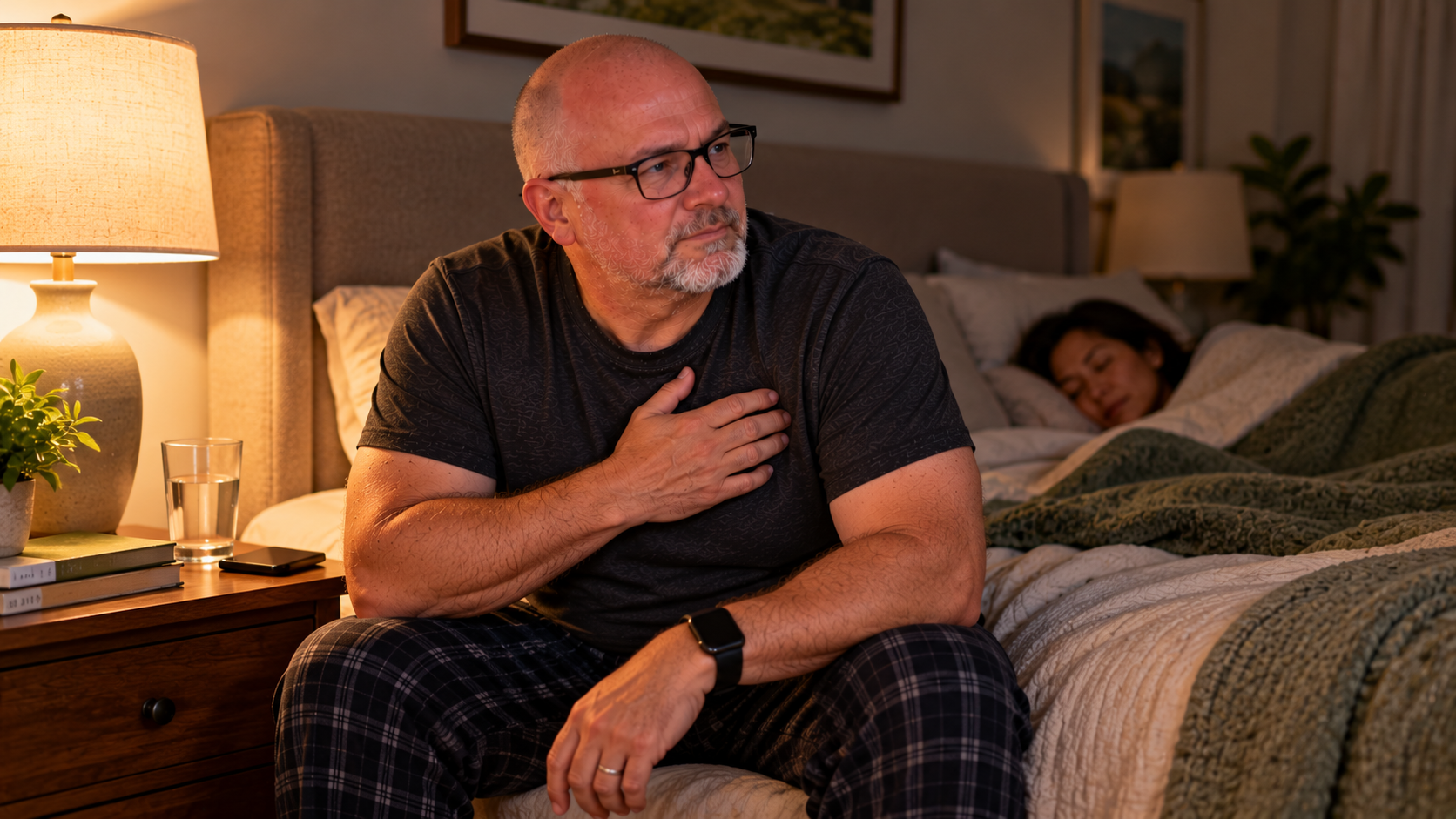
After a heart attack, people can become extremely aware of their bodies.
A sensation you might have ignored before may suddenly get your full attention.
You may notice:
your heartbeat
an ache
pressure
indigestion
tiredness
shortness of breath
a muscle twitch
dizziness
a change in blood pressure
This creates a difficult situation.
You do not want to ignore something important.
But you also do not want to live in fear of every sensation.
The solution is not learning to diagnose yourself.
The goal is to have a clear action plan from your healthcare team.
Ask them:
“Which symptoms mean I should call 911, which symptoms mean I should call your office, and which symptoms can I monitor?”
Write the answer down.
Your family should know the plan too.
Know the Warning Signs of Another Heart Attack
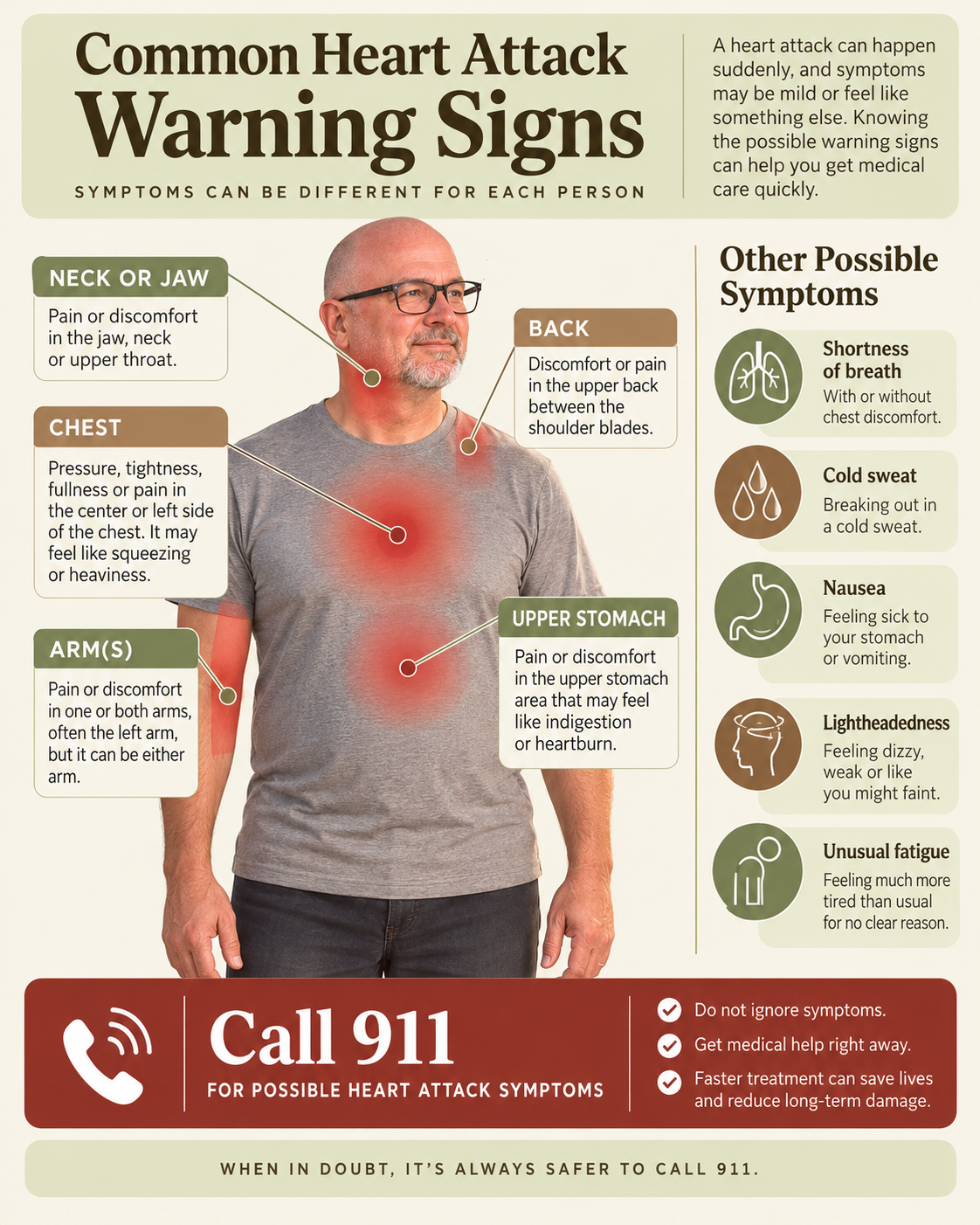
Heart attack symptoms are not always dramatic.
According to the American Heart Association, warning signs can include:
chest pressure, squeezing, fullness, discomfort, or pain
discomfort in one or both arms
back discomfort
neck or jaw discomfort
stomach discomfort
shortness of breath
cold sweat
nausea
lightheadedness
Symptoms can differ from person to person.
Some heart attacks begin suddenly. Others start more slowly.
If you believe you may be having a heart attack, call 911 or your local emergency number immediately.
Do not try to use a blog, online symptom checker, smartwatch, blood pressure reading, or social media group to rule out a heart attack.
When it comes to possible heart attack symptoms, getting emergency medical care quickly matters.
Week 1–2: Your Mind May Be Recovering Too
One part of heart attack recovery often receives less attention:
fear.
You survived something serious.
Your brain knows that.
You may find yourself thinking:
“What if it happens again?”
“What if I fall asleep and don't wake up?”
“Was that chest pain?”
“Is my blood pressure too high?”
“Is my heart beating too fast?”
“Should I really be walking?”
“Can I be alone?”
These thoughts can be frightening.
They can also lead to a cycle:
You notice a sensation.
You become worried.
Your body reacts to the stress.
Your heart beats faster.
You become more aware of your heartbeat.
That makes you more worried.
Understanding that emotional recovery can be part of heart attack recovery does not mean ignoring physical symptoms.
It means recognizing that your mind has also been through a major event.
Depression, Anxiety, Anger, and Fear Can Happen

The American Heart Association notes that heart attack survivors may experience emotions such as depression, fear, and anger.
Some people may feel grateful to be alive.
Others may feel angry.
Some feel guilty.
Some feel embarrassed that they had a heart attack.
Some become afraid to exercise.
Some become afraid to sleep.
Some constantly check their blood pressure, pulse, or smartwatch.
Others try not to think about the heart attack at all.
There is no single emotional response that everyone experiences.
What matters is recognizing when emotional distress is interfering with your life.
Talk with a healthcare professional if anxiety, depression, fear, or changes in mood are persistent or making it difficult to sleep, eat, function, or participate in recovery.
Mental health is part of heart health.
Your Family Is Recovering Too
Heart attacks do not only affect the person who had one.
Your spouse, partner, children, friends, or caregivers may have been frightened too.
Sometimes the survivor wants life to return to normal.
The family wants to protect them.
That can create tension.
A spouse might say:
“Don't lift that.”
“Sit down.”
“Are you sure you should be doing that?”
“What's your blood pressure?”
“Should we call the doctor?”
Most of the time, that comes from concern.
But survivors also need to rebuild independence and confidence.
One useful approach is to bring a family member to a follow-up visit or cardiac rehabilitation session.
Instead of everyone guessing what is safe, ask the healthcare team together.
Weeks 2–4: Start Learning Your New Heart-Health Routine
Recovery is not simply about resting.
It is also about reducing future cardiovascular risk.
That can include addressing:
physical activity
nutrition
smoking or nicotine
sleep
blood pressure
cholesterol
blood sugar
body weight
medication use
stress
follow-up care
The American Heart Association groups many major cardiovascular health factors into Life's Essential 8:
Eat better.
Be more active.
Quit tobacco.
Get healthy sleep.
Manage weight.
Control cholesterol.
Manage blood sugar.
Manage blood pressure.
Do not look at that list and think:
“I have to fix my entire life this week.”
You don't.
Work with your healthcare team and build your plan one step at a time.
Cardiac Rehabilitation May Be One of the Most Important Parts of Recovery
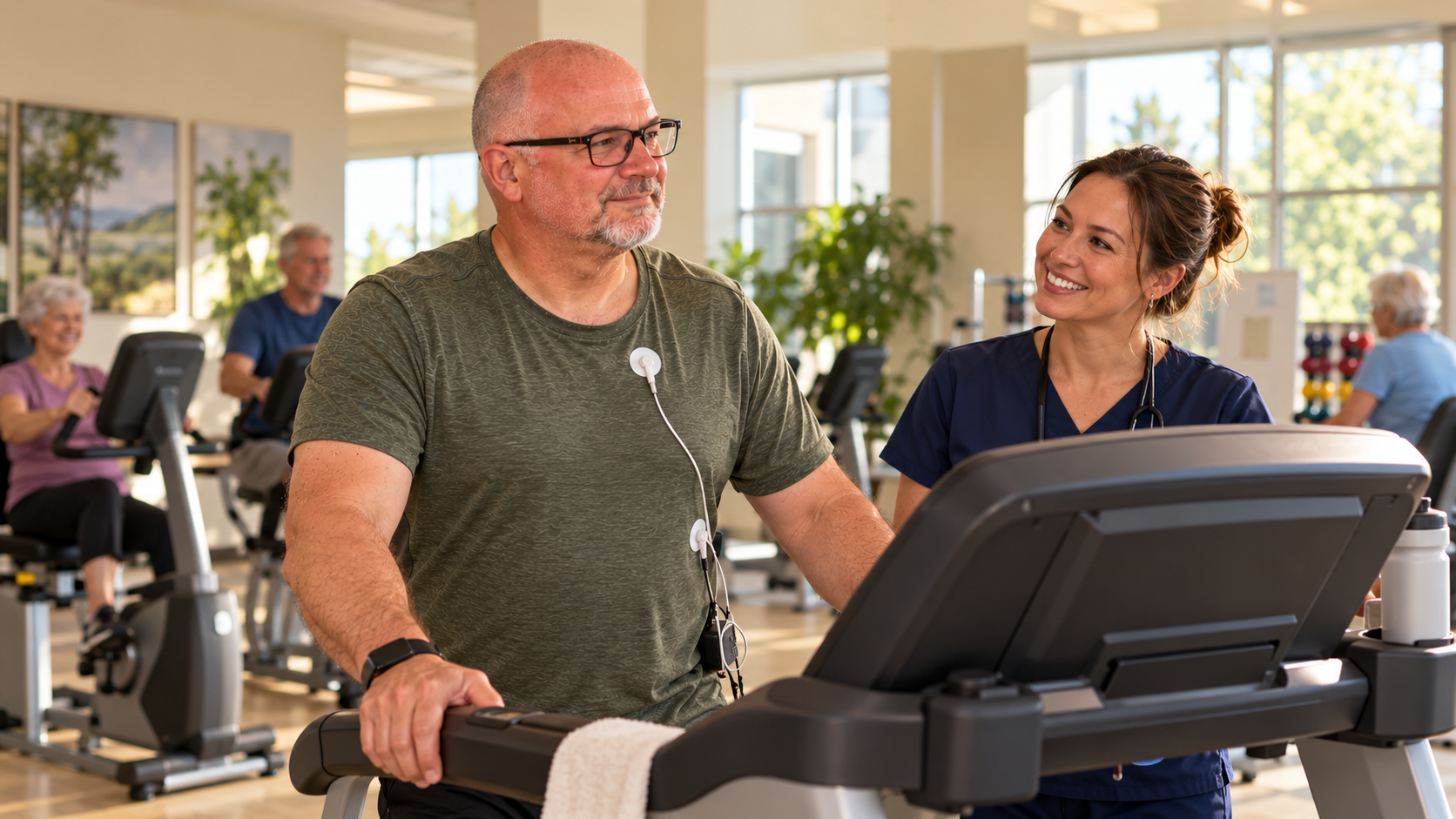
If you remember only a few things from this article, remember this one:
Ask about cardiac rehabilitation.
Cardiac rehab is much more than going to a gym.
According to the CDC, cardiac rehabilitation is a medically supervised program that can include:
physical activity
education about healthy living
help with taking medications as prescribed
smoking cessation support
stress management
mental-health support
Your cardiac rehab team may include medical professionals, exercise specialists, nutrition specialists, physical therapists, and counselors.
The 2025 acute coronary syndrome patient guidance from the American Heart Association also emphasizes cardiac rehabilitation after a heart attack.
Why?
Because recovery is about more than opening an artery.
You have to learn how to live afterward.
Cardiac Rehab Can Help Rebuild Something Else: Confidence
Imagine that walking up a flight of stairs used to mean nothing.
Then you have a heart attack.
Now you approach those same stairs differently.
You may wonder:
“What if my heart rate gets too high?”
“What if I get chest pain?”
“What if something happens?”
Fear can make people avoid activity.
But avoiding appropriate activity can also make it harder to regain strength.
Cardiac rehabilitation gives many survivors a structured environment where activity can be increased under professional guidance.
That can help answer an important question:
“What can my body safely do now?”
Your answer should come from your healthcare team and cardiac rehab professionals—not from someone else's recovery story online.
Do Not Compare Your Recovery With Someone Else's

This deserves its own section.
One survivor may be walking several miles fairly soon.
Another may still become tired walking around the house.
One person may return to work quickly.
Another may need much longer.
One may have had a relatively small heart attack.
Another may have significant heart muscle damage.
One may have received a stent.
Another may have undergone bypass surgery.
One may have heart failure.
Another may not.
Recovery speed can depend on many factors.
So when someone online says:
“I was back in the gym three weeks after my heart attack.”
that tells you something about their recovery.
It does not tell you what is safe for yours.
Weeks 4–8: Your Numbers Start Making More Sense
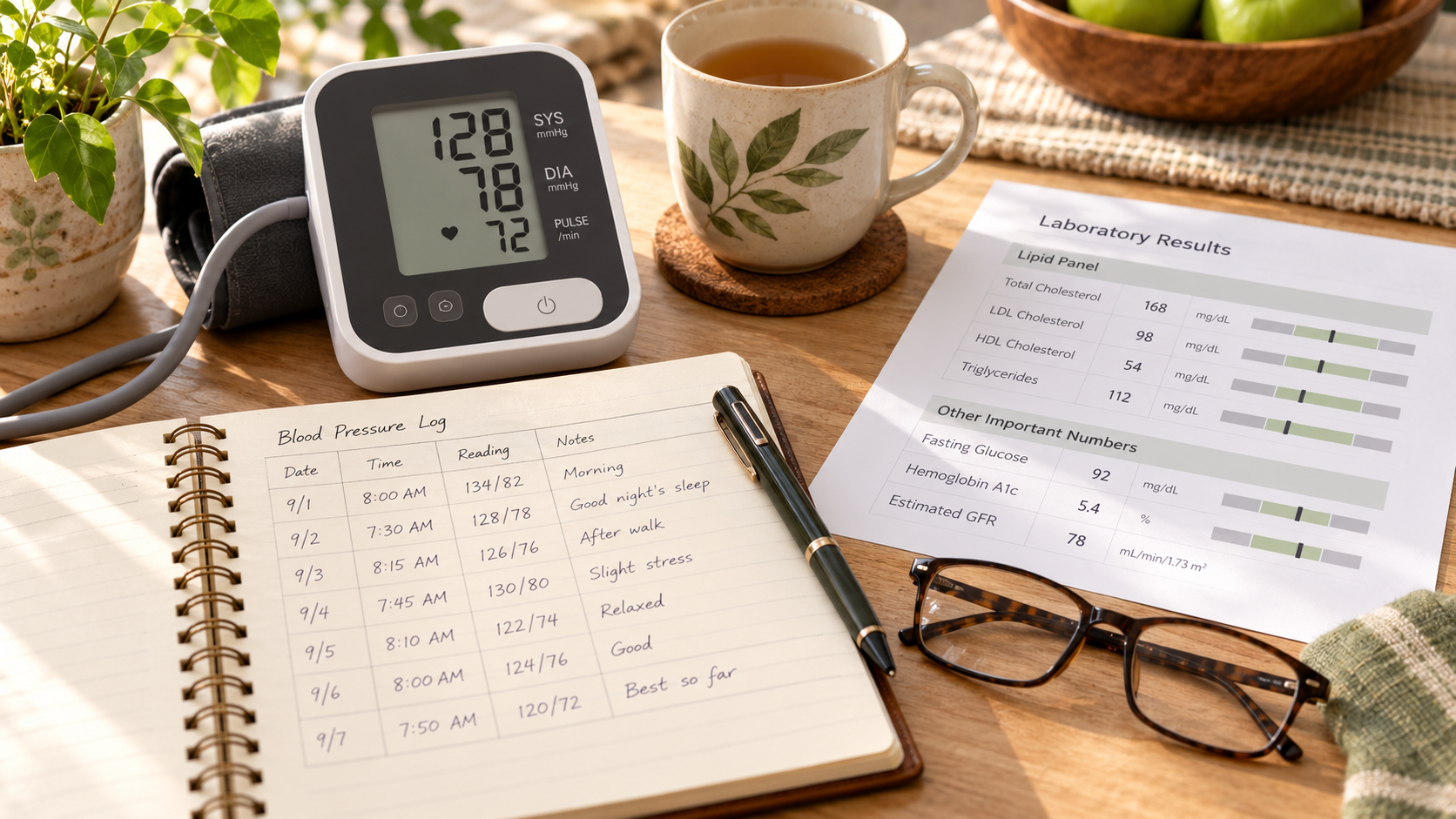
Many heart attack survivors become very focused on numbers.
Blood pressure.
Heart rate.
LDL cholesterol.
Blood sugar.
Weight.
Exercise minutes.
These numbers can be useful.
But a number without context can also create unnecessary fear.
Blood Pressure
Blood pressure is important for cardiovascular health.
But one home reading is not your entire health story.
Blood pressure changes throughout the day and can be affected by many things.
Instead of reacting emotionally to every reading, learn how your healthcare team wants you to measure and record it.
Ask:
How often should I check my blood pressure?
What time should I check it?
What technique should I use?
What numbers should prompt me to contact you?
Should I bring my monitor to an appointment to compare it with the office equipment?
A well-kept record can be much more useful than a page filled with random measurements taken whenever you feel worried.
Learn Your Cholesterol Numbers
Cholesterol becomes an important topic after many heart attacks.
You may hear terms such as:
LDL
HDL
triglycerides
non-HDL cholesterol
Your healthcare team may set cholesterol goals based on your cardiovascular history and risk.
Instead of simply asking:
“Is my cholesterol good?”
try asking:
“What is my LDL, what is my target, and what is our plan for getting there?”
That creates a much more useful conversation.
Understand Blood Sugar Too
Heart health and metabolic health are closely connected.
If you have diabetes or prediabetes, blood sugar management may become an important part of reducing future cardiovascular risk.
Ask whether you should know your:
fasting glucose
A1C
diabetes status
Do not assume that because your heart attack involved an artery, the rest of your health does not matter.
The body is connected.
Sleep Is Part of Heart Health
Sleep often gets overlooked.
After a heart attack, sleep may be difficult.
You may be uncomfortable.
You may be anxious.
You may be worried something will happen while you are asleep.
You may wake up frequently.
The American Heart Association includes sleep in Life's Essential 8 and says most adults should aim for about seven to nine hours per night.
If you have ongoing sleep problems, discuss them with your healthcare professional.
And if you have symptoms that could suggest a sleep disorder—such as loud snoring, repeated pauses in breathing reported by another person, or significant daytime sleepiness—bring that up with your healthcare team.
Do not simply assume poor sleep is something you have to live with.
Nutrition: Avoid the “Perfect Diet” Trap

A heart attack can make people want to change everything overnight.
The refrigerator gets cleaned out.
Every food gets labeled “good” or “bad.”
Someone buys a dozen supplements.
Then the plan becomes impossible to maintain.
A better approach is to build an eating pattern you can actually live with.
Heart-supportive eating patterns generally emphasize foods such as:
vegetables
fruits
whole grains
beans and legumes
nuts and seeds
fish and seafood
lean sources of protein
healthy unsaturated oils
Your healthcare team may also recommend limiting certain foods based on your health needs.
If you have conditions such as kidney disease, diabetes, heart failure, or other medical concerns, your nutrition needs may be different.
A registered dietitian can be especially helpful.
The goal is not to eat one magical “heart food.”
It is to improve your overall eating pattern.
Be Careful With Supplements After a Heart Attack

This is especially important at Cardio Natural because we talk about natural wellness.
Natural does not automatically mean safe.
Supplements and herbs can interact with medications.
Some may affect:
blood clotting
blood pressure
heart rate
medication absorption
liver metabolism
After a heart attack, your medication plan may be carefully designed to reduce your risk of another cardiovascular event.
Do not add supplements simply because someone online says they are “good for the heart.”
Bring your entire supplement list to your healthcare professional or pharmacist.
Ask:
“Is there any reason I should not take this with my current medications?”
That is responsible natural wellness.
It is not anti-medication.
It is not pro-medication.
It is pro-informed decision-making.
Weeks 8–12: Recovery Starts Becoming Everyday Life
By this stage, some survivors may be returning to more normal routines.
Others may still have significant limitations.
Again, there is no universal timeline.
This period is a good time to ask a deeper question:
“What does my long-term prevention plan look like?”
The goal is no longer simply getting through the day.
You are beginning to build a system for living with greater awareness of your cardiovascular health.
Build Your Personal Heart-Health Dashboard
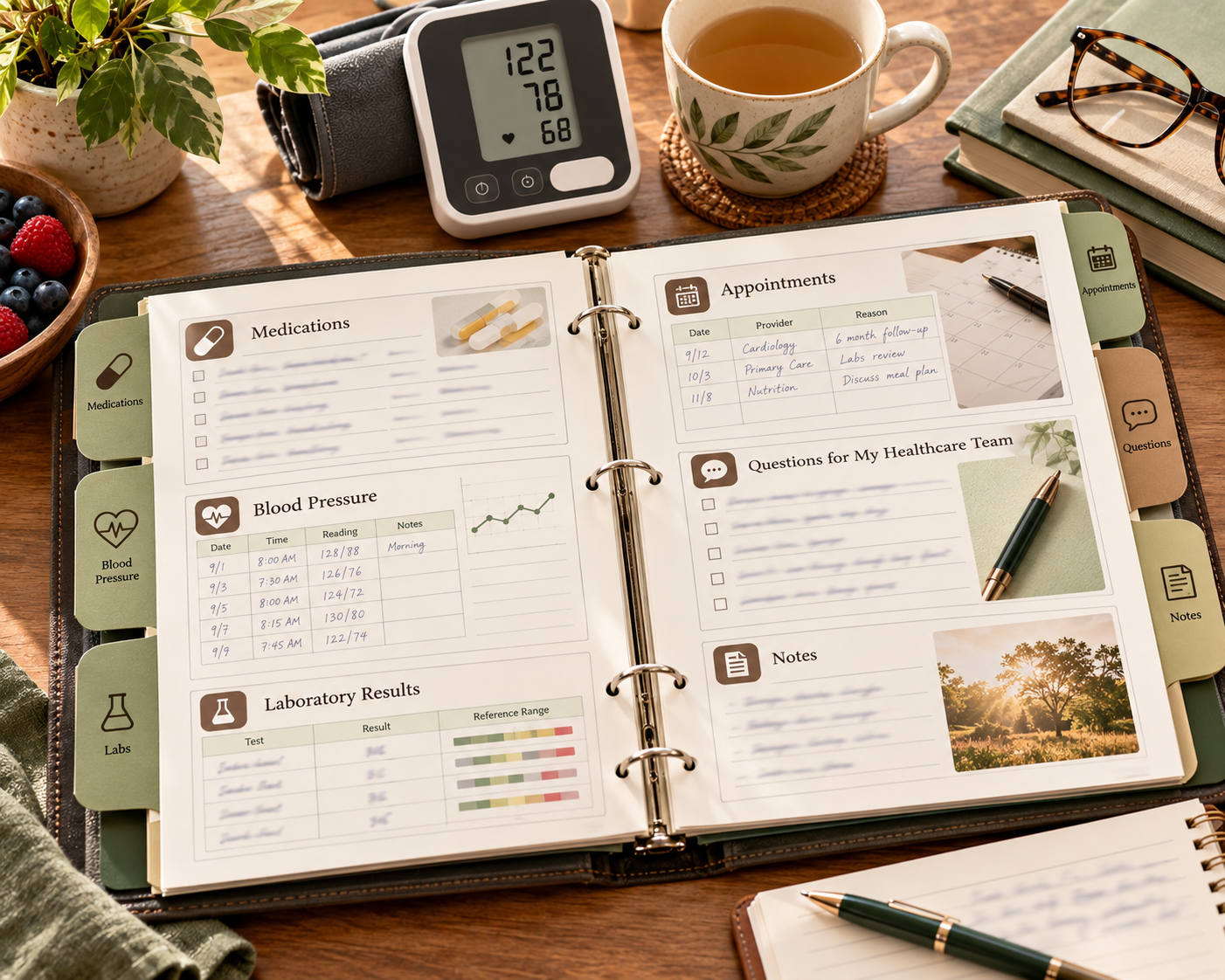
You do not need dozens of apps.
You need useful information.
Consider keeping one organized place for:
Medications
Keep an updated medication and supplement list.
Blood pressure
Record readings according to your healthcare team's instructions.
Laboratory results
Keep copies of important results, such as cholesterol and blood sugar testing.
Appointments
Write down upcoming appointments.
Questions
Keep a running list instead of trying to remember everything during a short medical visit.
Symptoms
If your healthcare team asks you to monitor symptoms, record useful details rather than relying on memory.
Cardiac rehabilitation
Keep track of what you are learning and questions that come up.
This is not about becoming your own cardiologist.
It is about becoming a better-prepared patient.
Questions Worth Asking Before Day 90
Consider taking this list to your healthcare team.
About your heart
What type of heart attack did I have?
Which artery was involved?
How much heart damage occurred?
What is my ejection fraction?
Did I receive a stent?
Do I have other narrowed arteries?
What does my long-term outlook depend on?
About medications
What does each medication do?
How long will I likely need each one?
Which medications should never be stopped suddenly?
What side effects should I report?
Are there over-the-counter medicines I should avoid?
Are my current vitamins and supplements safe with these medicines?
About activity
What physical activity is safe for me now?
Are there lifting limits?
When can I drive?
When can I return to work?
When is sexual activity considered safe for me?
Should I be in cardiac rehabilitation?
About prevention
What is my blood pressure goal?
What is my LDL cholesterol goal?
Should I know my A1C?
Should I be screened for other risk factors?
What eating pattern do you recommend?
What should I focus on first?
About emergencies
Ask this very clearly:
“What symptoms mean I should call your office, and what symptoms mean I should call 911?”
Write down the answer.
One of the Biggest Mistakes: Trying to Become the “Perfect Patient”
After surviving a heart attack, you may feel pressure to do everything perfectly.
Perfect blood pressure.
Perfect diet.
Perfect exercise.
Perfect cholesterol.
Perfect sleep.
Perfect weight.
That is a heavy burden.
Instead, focus on building a system that you can maintain.
Take your prescribed medications as directed.
Attend your appointments.
Participate in cardiac rehab if it is recommended and available.
Learn your important numbers.
Build healthier habits.
Ask questions.
Keep learning.
And when something is unclear, talk with the healthcare professionals who know your medical history.
Recovery Is Not Only About Your Heart Muscle
This may be the part nobody prepares you for.
You can survive the heart attack and still need time to recover from the experience.
You may look normal.
People may assume you are fine.
You may even hear:
“You look great!”
But inside, you may still be trying to understand what happened.
You may be rebuilding trust in your body.
You may be learning what different sensations mean.
You may be figuring out how much activity feels comfortable.
You may be trying not to think about another heart attack.
You may be wondering whether life will ever feel normal again.
Those parts of recovery matter too.
A Different Way to Think About the First 90 Days
Instead of asking:
“When will I be back to normal?”
consider asking:
“What can I learn about my heart and my health during these 90 days?”
By the end of your first three months, you ideally want to understand more about:
what happened to your heart
your medications
your warning signs
your blood pressure
your cholesterol
your blood sugar if relevant
your safe activity plan
your nutrition plan
your cardiac rehabilitation options
your follow-up schedule
your emotional recovery
your personal cardiovascular risk factors
That knowledge gives you something fear often takes away:
a sense of direction.
A Note From David

I know how different life can feel after a heart attack.
The medical emergency happens quickly.
Recovery doesn't.
There can be a big difference between being well enough to leave the hospital and actually feeling confident living your life again.
Questions come later.
Fear can come later.
You start noticing things about your body that you never thought about before.
And sometimes the people around you think everything is back to normal before you do.
That is one reason I created Cardio Natural and CardioConnect.
Not to replace doctors.
Not to tell people how to treat heart disease.
But to help people become more informed, more prepared, and better able to have useful conversations with the healthcare professionals caring for them.
If you are early in your recovery, you do not have to understand everything today.
Learn one thing.
Ask one question.
Build one healthy habit.
Then keep going.
— David
Founder, Cardio Natural
Heart Attack Survivor
When to Get Emergency Help
A blog should never be used to decide whether possible heart attack symptoms are an emergency.
If you experience symptoms that could indicate a heart attack—including chest pressure, squeezing, fullness or pain; discomfort in the arms, back, neck, jaw or stomach; shortness of breath; or other concerning symptoms—call 911 or your local emergency number immediately.
Do not delay emergency care while waiting for a response online.

Medical Disclaimer
Cardio Natural provides educational information and community support. It does not provide medical care, diagnosis, treatment, or individualized medical advice.
The information in this article is for general educational purposes only and should not replace advice from your physician, cardiologist, cardiac rehabilitation team, pharmacist, registered dietitian, or other qualified healthcare professional.
Heart attack recovery is different for every person. Your medications, activity restrictions, nutrition needs, blood pressure goals, cholesterol goals, rehabilitation plan, and return to work or normal activities should be determined with your healthcare team based on your medical history and condition.
Do not start, stop, or change a prescription medication, supplement, exercise program, or treatment plan based on this article.
If you believe you may be experiencing a heart attack or another medical emergency, call 911 or your local emergency number immediately.
Sources and Further Reading
This article was developed using patient information and clinical guidance from established cardiovascular and U.S. government health organizations.
American Heart Association — 2025 Acute Coronary Syndromes Guideline: Key Patient Messages
Explains heart attack care, cardiac rehabilitation, prevention, mental health, medications, and recovery.
American Heart Association — Heart Attack Recovery Questions and Answers
Patient information covering activity, returning to work, fatigue, emotions, and life after a heart attack.
American Heart Association — Warning Signs of a Heart Attack
Current patient guidance on recognizing possible heart attack symptoms and seeking emergency care.
American Heart Association — Life's Essential 8
Information about cardiovascular health factors including diet, activity, nicotine exposure, sleep, weight, cholesterol, blood sugar, and blood pressure.
Centers for Disease Control and Prevention — About Heart Attack Symptoms, Risk, and Recovery
Information about heart attack recovery, lifestyle changes, and cardiac rehabilitation.
Centers for Disease Control and Prevention — How Cardiac Rehabilitation Can Help Heal Your Heart
Explains the components and potential benefits of cardiac rehabilitation.
MedlinePlus, U.S. National Library of Medicine — Heart Attack: Discharge
Patient guidance about recovery after leaving the hospital, activity, medications, emotions, and symptoms.
MedlinePlus — Being Active After Your Heart Attack
Patient information about gradually returning to activity after a heart attack.
Sources reviewed September 2026.
