
Heart Attack Recovery: The Part People Don’t See From the Outside
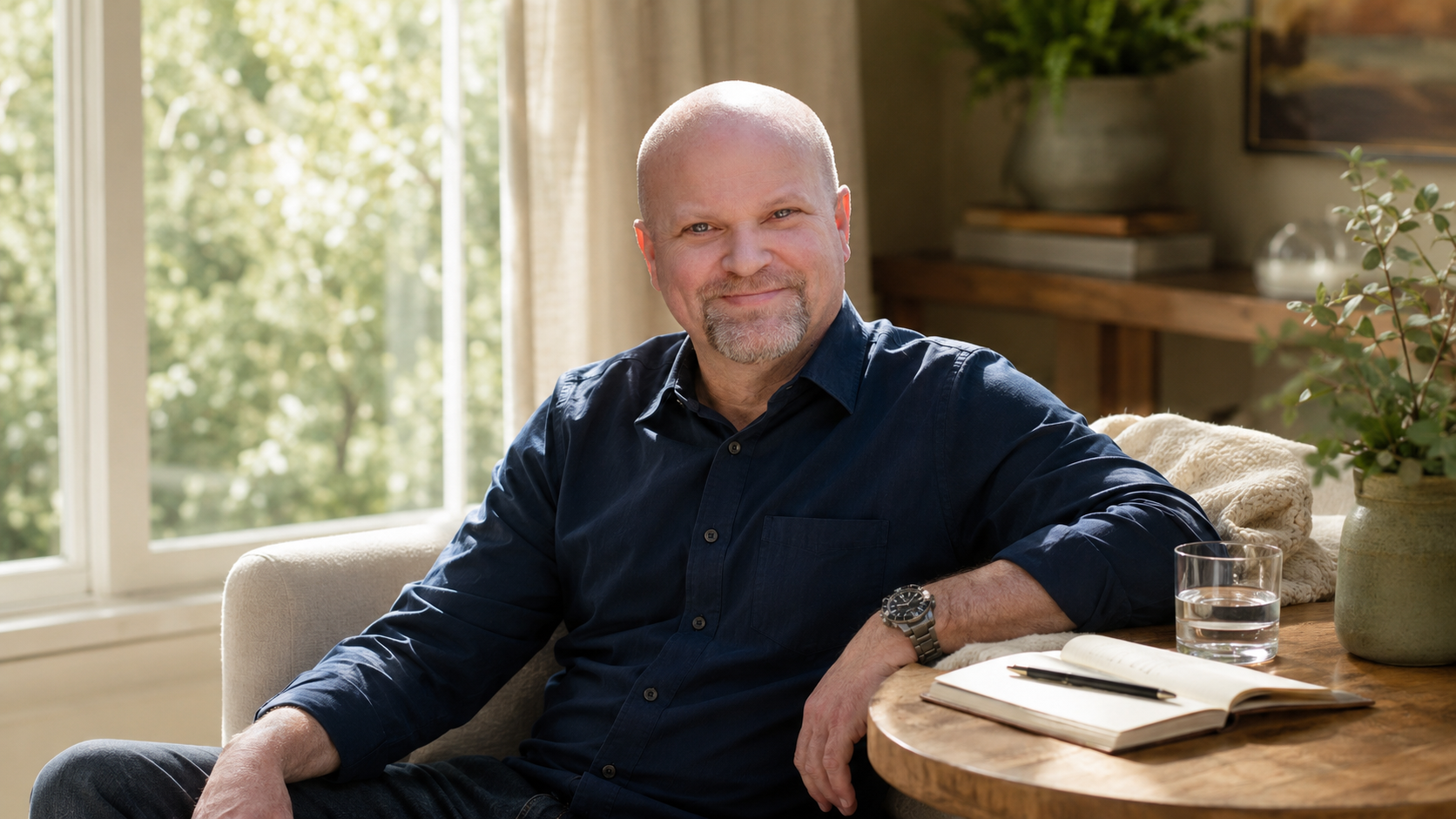
What I Wish Someone Had Told Me After My Heart Attack
A heart attack changes more than your heart.
That may sound obvious, but when you are the one living through recovery, you realize very quickly that the outside world does not always see what is really happening inside of you.
People may look at you and think, “You look fine.”
But inside, you may feel tired in a way that is hard to explain. Your stamina may feel gone. Your memory may not feel the same. Your confidence may be shaken. Your body may feel unfamiliar. Your mind may be trying to catch up with what just happened.
That was my experience.
Before my heart attack, I was in great shape. In fact, when it happened, my friends and family could hardly believe it. I was in better shape than most of them. I looked healthy. I stayed active. I was not the person people would have expected to have a heart attack.
But that is one of the biggest lessons I learned:
A heart attack can happen to anyone.
And recovery is not always what people think it is.
This article is not medical advice. I am not a doctor. I am a heart attack survivor, and I started Cardio Natural because I know what it feels like to leave the hospital with more questions than answers. My goal is to share the side of recovery that does not always get talked about enough, so you feel less alone and more prepared to take the next small step forward.
The First Few Weeks Changed Everything
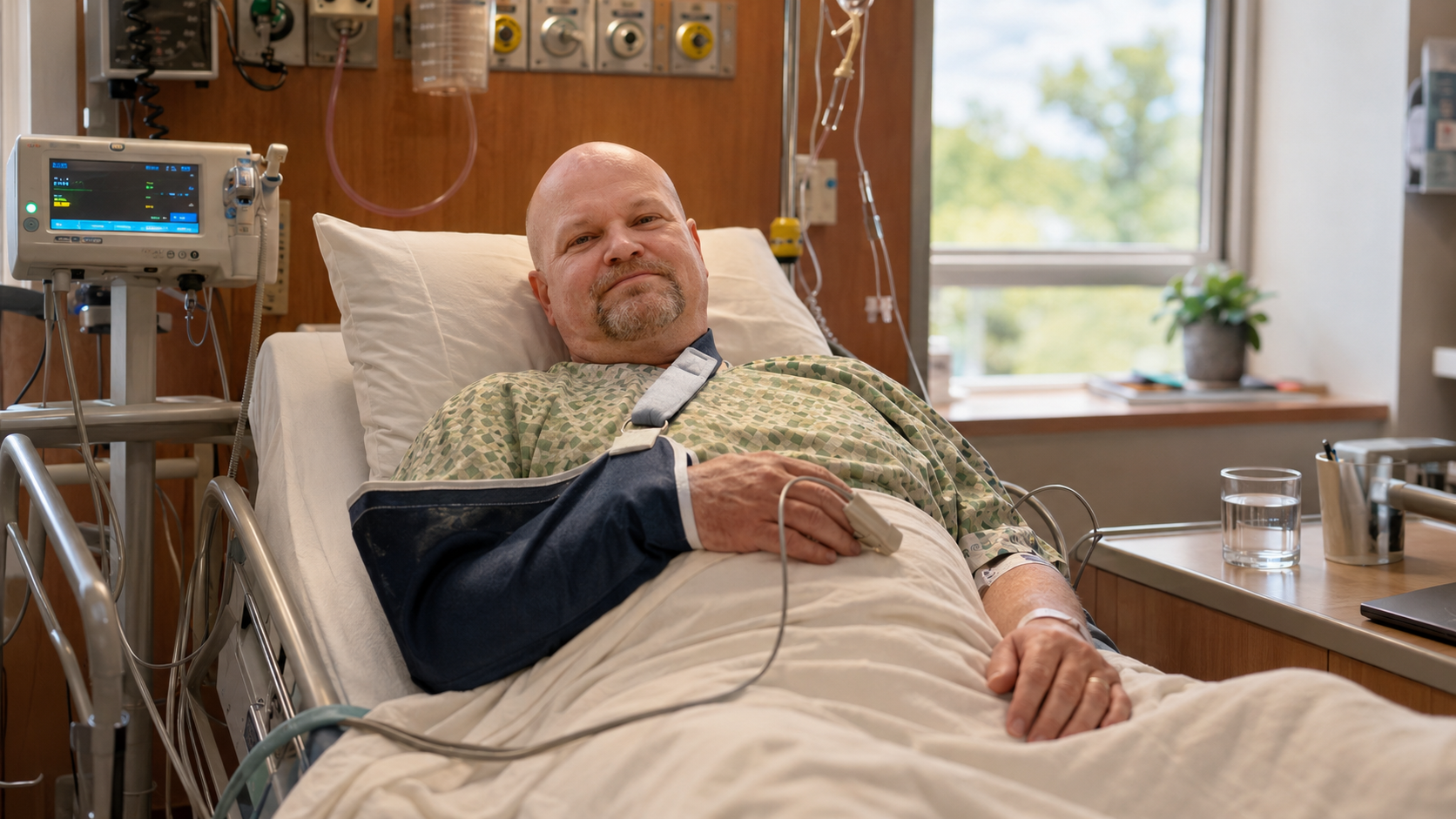
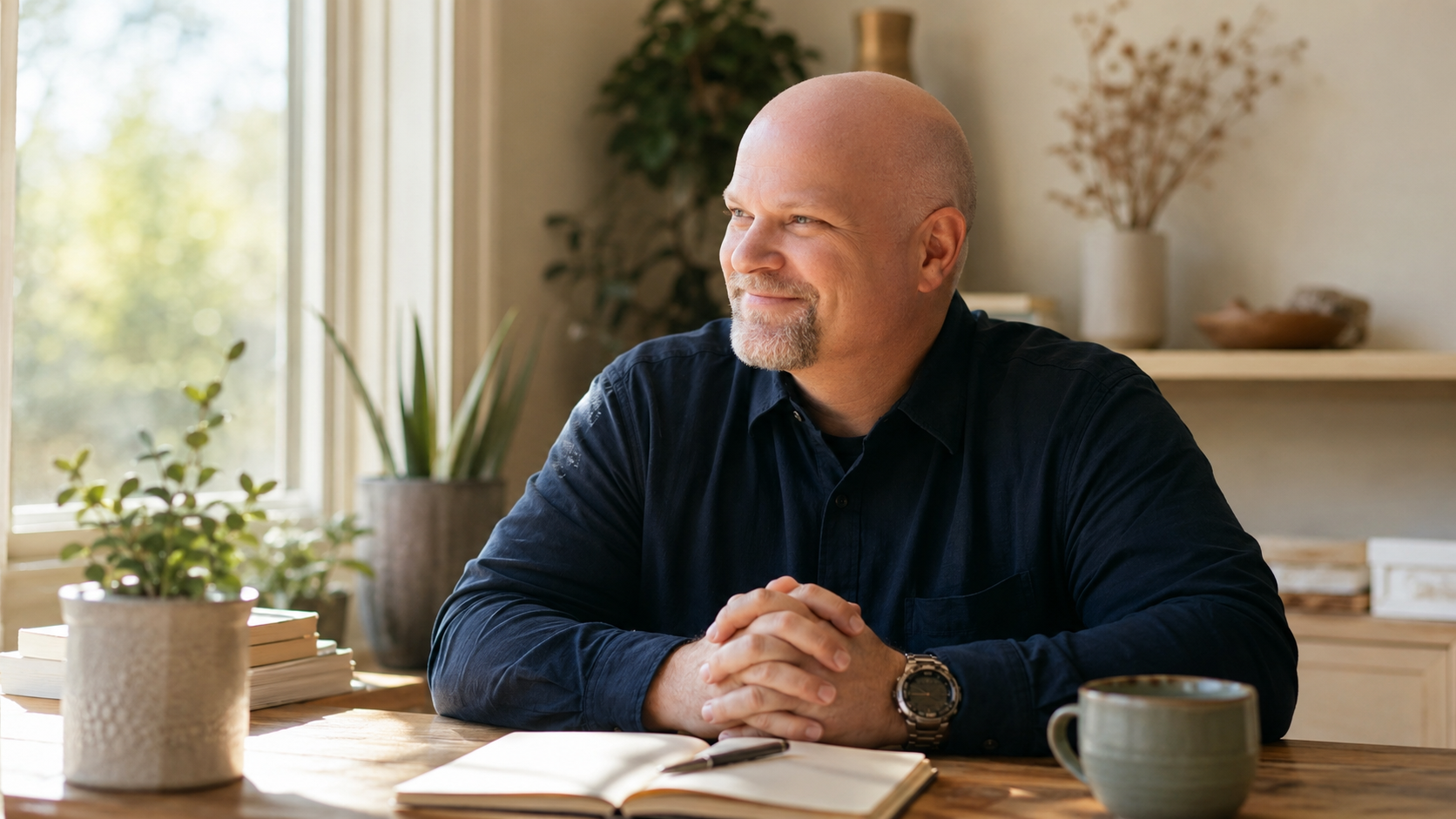
David, founder of Cardio Natural, during his heart attack recovery journey. A reminder that recovery is often much deeper than what people see from the outside.
For me, it became clear within the first two to three weeks after my heart attack that I was not the same as before.
It was not one dramatic moment. It was a series of small, frustrating reminders.
I was tired.
I had no stamina.
I was forgetting things.
My physical ability felt completely different.
Things I used to do without thinking suddenly took more energy. My body felt like it had changed overnight, but the rest of the world kept moving like everything should be normal again.
That is one of the hardest parts of heart attack recovery. You may not look “sick” from the outside, but you know something has changed.
You feel it when you walk across the room.
You feel it when you try to do too much.
You feel it when your mind feels foggy.
You feel it when people expect the old version of you to show up, but you are still trying to understand the new version of yourself.
The Hidden Side of Heart Attack Recovery
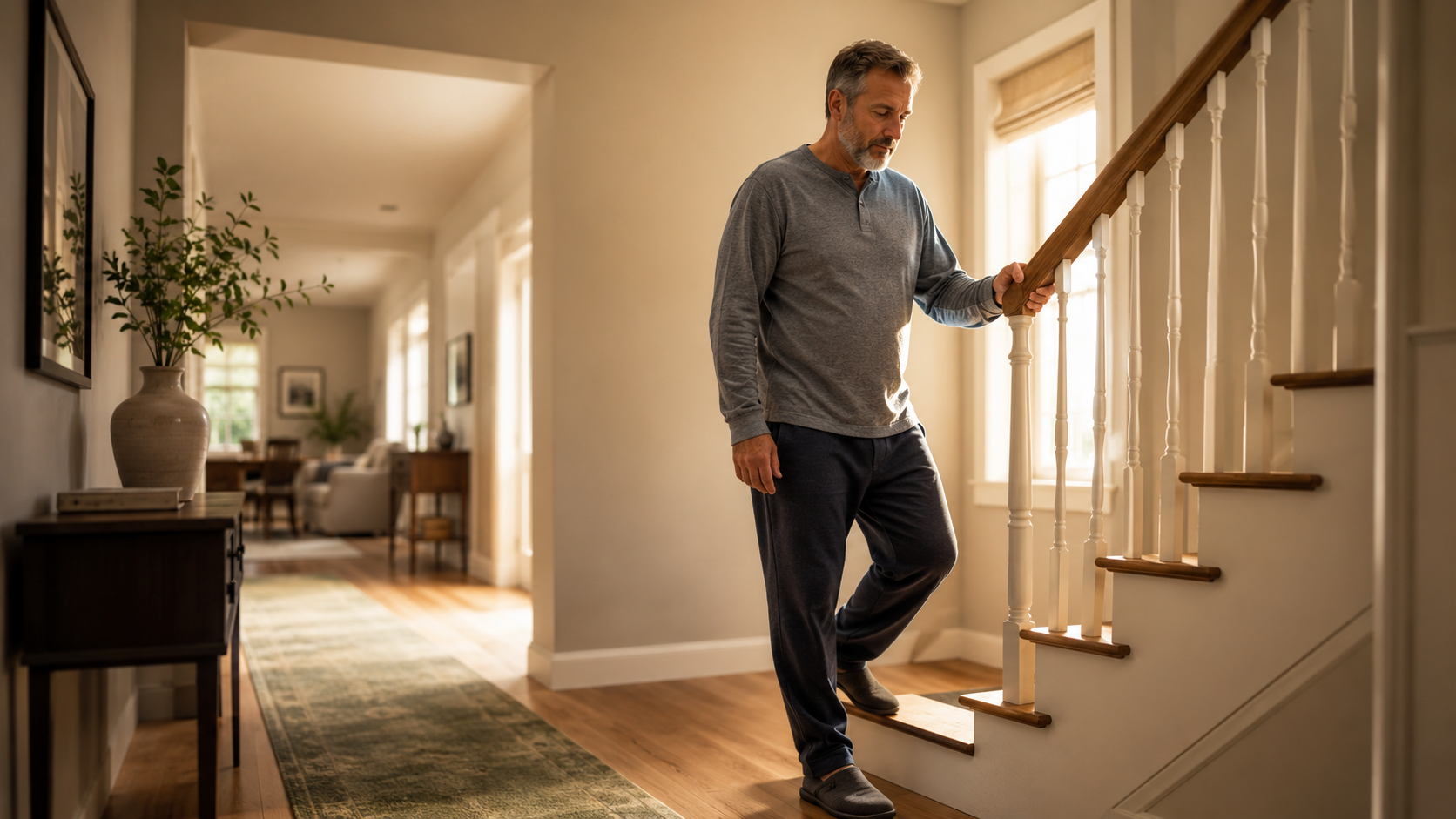
After a heart attack, many people focus on the obvious things: the hospital stay, the medications, the follow-up appointments, the physical therapy or cardiac rehab, and the instructions from the doctor.
Those things matter.
But there is another side that does not always get enough attention.
The hidden side.
The part where you wonder why you are so tired.
The part where your stamina does not come back as quickly as you hoped.
The part where your memory feels different.
The part where you are trying to act normal while quietly wondering, “Is this my life now?”
The part where you want answers, but you are not always sure what questions to ask.
That hidden side can be lonely.
And if you are reading this while going through it, I want you to know something important:
You are not weak. You are recovering.
There is a difference.
“Here Are Your Meds. Here Is Therapy. Good Luck.”
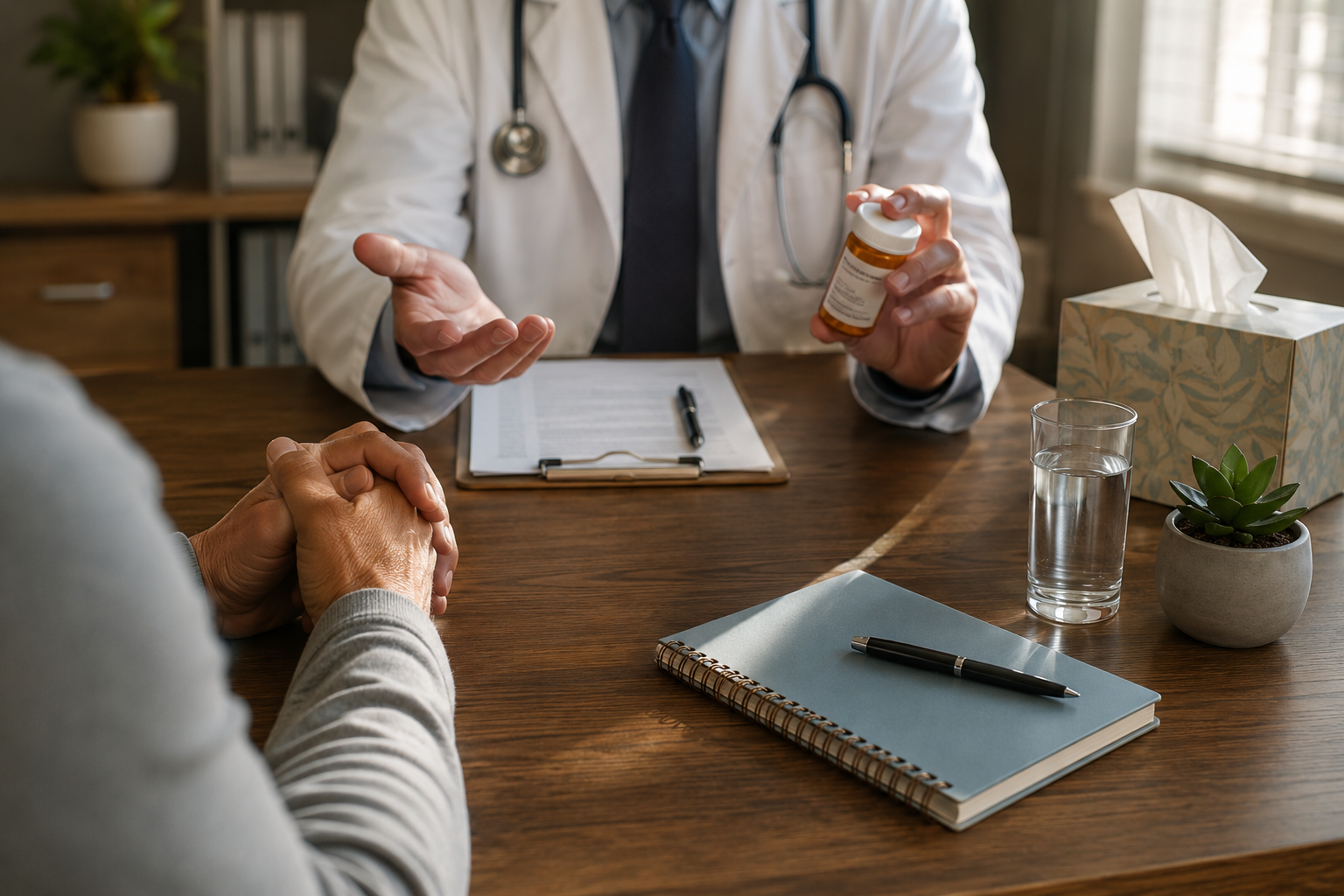
One of the biggest reasons I started Cardio Natural is because after my heart attack, I felt like there was not enough information.
It felt like:
“Here, take your meds.”
“Here is physical therapy for a few weeks.”
“All right, good luck.”
That may sound blunt, but that is honestly how it felt.
I do not say that to attack doctors, nurses, therapists, or anyone in the medical field. Many of them are doing the best they can. The medical industry is overwhelmed, swamped, and shorthanded. There is only so much time they have with each patient.
But that creates a problem.
Heart attack survivors need more than a discharge packet.
They need education.
They need encouragement.
They need practical guidance.
They need to know what questions to ask.
They need to understand that recovery is not just about surviving the event. It is about learning how to live after it.
That gap is what Cardio Natural was created to help fill.
Not as a replacement for medical care.
Not as a place to diagnose or treat anyone.
But as a supportive educational resource for people who want to better understand heart-health recovery, lifestyle support, natural wellness, and the emotional reality of rebuilding after a heart event.
Recovery Is Not Just Physical
When people hear “heart attack recovery,” they often think about the physical side.
Walking again.
Building stamina.
Taking medications correctly.
Going to appointments.
Eating better.
Those are important.
But recovery is also mental.
It is emotional.
It can even be spiritual.
You may find yourself asking questions you never asked before.
Why did this happen?
Could it happen again?
What do I need to change?
How do I explain this to my family?
How do I trust my body again?
How do I move forward without living in fear?
These are real questions.
And in my opinion, we need to make more room for them.
Because a heart attack does not just interrupt your health. It interrupts your sense of normal.
Small Steps Matter
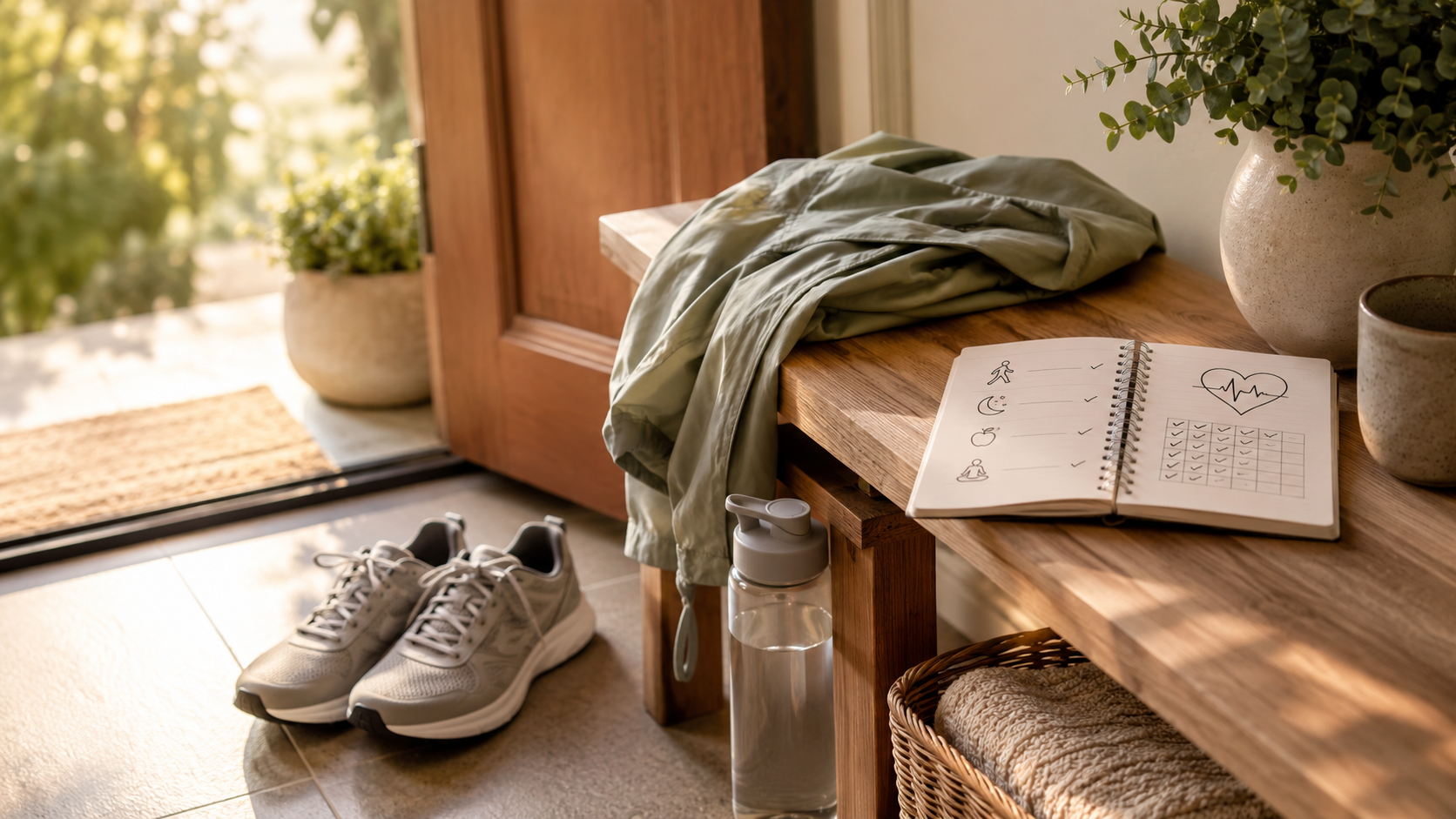
One of the biggest lessons I learned is that small steps matter.
And I do not just mean walking.
I mean small steps in everything.
Eating better.
Sleeping better.
Resting when you need to.
Asking better questions.
Learning more about your heart.
Paying attention to your blood pressure.
Being honest about your energy.
Letting your family know what you are going through.
Not trying to prove you are “fine” before you actually are.
Recovery is not about becoming perfect overnight.
It is about making small, steady changes that support your health over time.
You do not have to fix everything in one day.
You do not have to understand everything in one week.
You do not have to become a completely different person immediately.
Take your time.
Learn.
Adjust.
Rest.
Move forward one step at a time.
It can get better.
You Can Be “In Shape” and Still Be at Risk
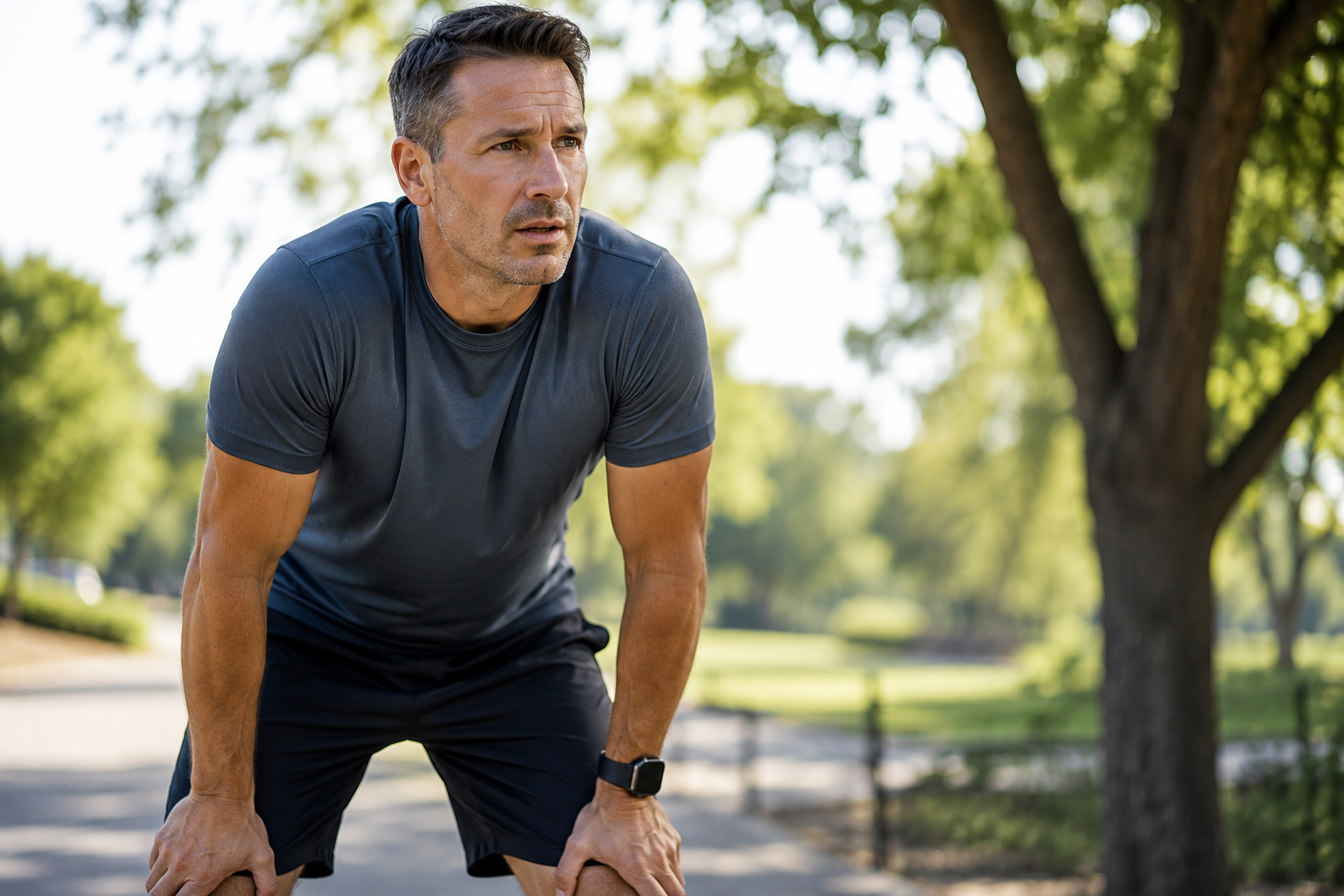
This is something I wish more people understood.
Being in shape does not make you untouchable.
When I had my heart attack, people were shocked because I looked healthier than many people around me. That made the experience even more confusing.
But heart health is not always visible from the outside.
A person can look strong and still have hidden risk factors.
A person can be active and still have something going on internally.
A person can seem healthy and still need to pay attention to blood pressure, cholesterol, family history, stress, sleep, inflammation, lifestyle habits, and medical guidance.
That is why I believe we need to take heart health seriously before and after a crisis.
Not with fear.
With awareness.
Not with panic.
With action.
Not with shame.
With education.
What I Wish I Had Known Sooner
Looking back, I wish someone had clearly explained more to me right after my heart attack.
I wish someone had said:
“You may feel more tired than you expected.”
“Your stamina may take time.”
“You may not feel like yourself right away.”
“You may need to write things down if your memory feels off.”
“You should ask questions, even if they seem small.”
“Your recovery may affect your family too.”
“You need support, not just instructions.”
“Do not rush the process.”
“Small steps count.”
“You are not alone.”
That kind of guidance would have helped me.
And that is the kind of guidance I want Cardio Natural and CardioConnect to offer others.
Questions Heart Attack Survivors Should Consider Asking

Every person’s situation is different, so your doctor or care team should always be your main source for personal medical guidance. But many survivors do not know what to ask.
Here are some questions that may help start better conversations:
What should I expect during the first few weeks of recovery?
What symptoms or changes should I report right away?
What activity level is safe for me right now?
Should I be in cardiac rehab, and how long should I participate?
What should I know about my medications and possible side effects?
What lifestyle changes matter most for my situation?
What should I track at home, such as blood pressure, weight, symptoms, sleep, or energy?
How should I handle fatigue or low stamina?
What diet changes would be most helpful for my heart health?
What warning signs should my family understand?
How often should I follow up with my doctor or cardiologist?
Are there any supplements, foods, or natural products I should avoid because of my medications?
That last question is very important.
Natural does not automatically mean safe for everyone. Some supplements, herbs, and foods can interact with medications or may not be right for certain conditions. Always talk with your healthcare professional before adding supplements, especially after a heart attack.
Family Members Need to Understand Recovery Too
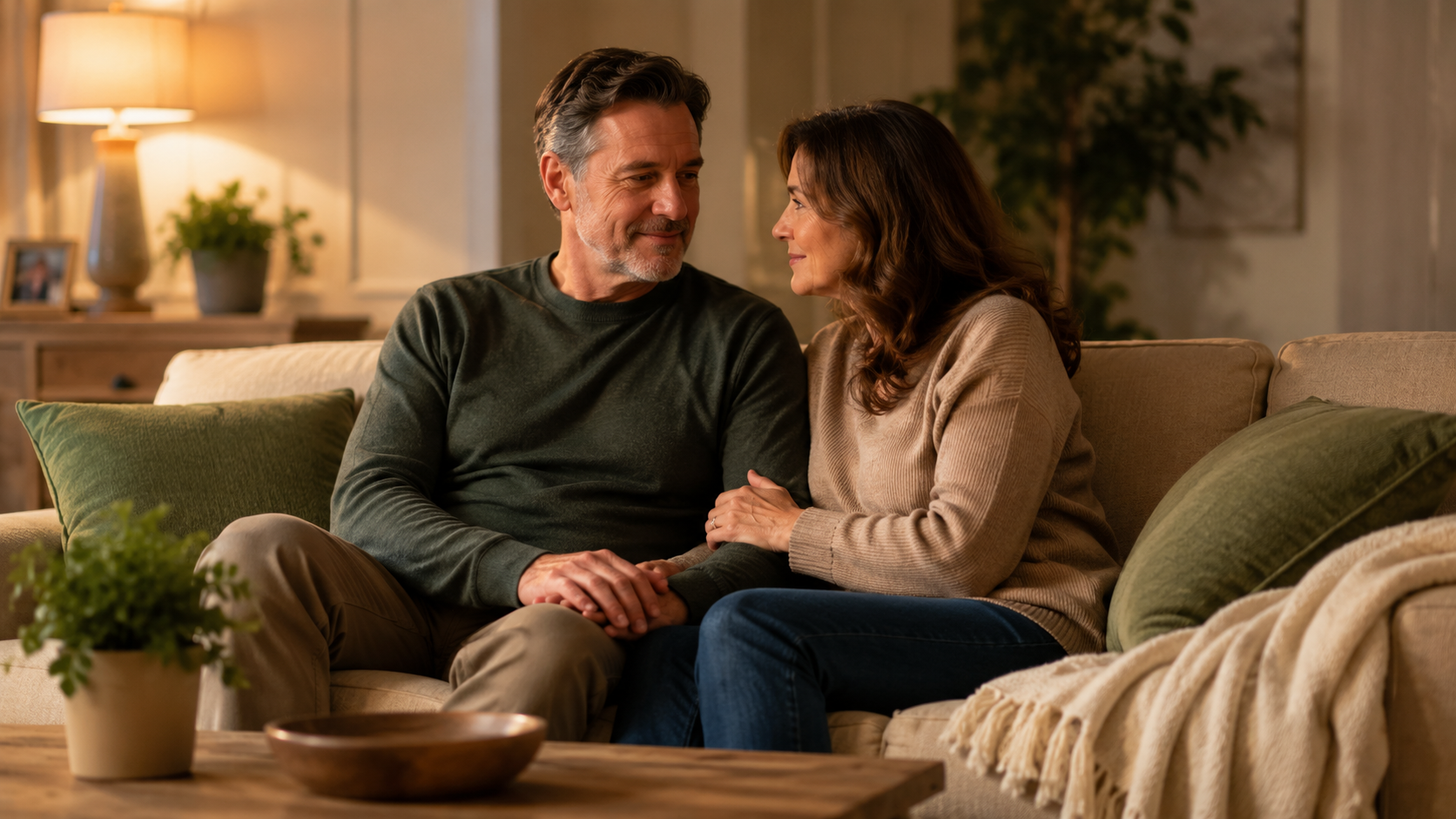
Heart attack recovery does not only affect the survivor.
It affects the family.
The spouse who worries quietly.
The children who do not fully understand.
The friends who want to help but do not know how.
The coworkers who think you should be back to normal.
The people around you may need education too.
Sometimes they need to understand that just because you look okay does not mean you feel okay.
Sometimes they need to understand that tiredness is not laziness.
Forgetfulness is not carelessness.
Needing rest is not weakness.
Moving slower is not failure.
It is recovery.
If you are a family member reading this, one of the best things you can do is listen without assuming. Ask what support looks like. Encourage healthy steps. Help reduce pressure. Learn the warning signs. Go to appointments when appropriate. And remember that emotional support matters.
Why I Built Cardio Natural and CardioConnect

Cardio Natural was born from a gap I experienced personally.
After my heart attack, I wanted more information. I wanted someone to help me understand what recovery looked like beyond the basics. I wanted practical education, natural heart-health support, and a place where people could feel less alone.
That is why I started Cardio Natural.
And that is why CardioConnect exists.
CardioConnect is a supportive community for heart attack survivors, families, prevention-minded adults, blood-pressure-focused adults, and people who care about natural heart health.
It is not medical care.
It is not a replacement for your doctor.
It is a place for support, education, encouragement, shared experiences, and small steps forward.
Because sometimes what people need most is not another cold instruction sheet.
Sometimes they need someone to say:
“I understand.”
“I have been there.”
“You are not alone.”
“Keep going.”
A Better Way to Think About Recovery
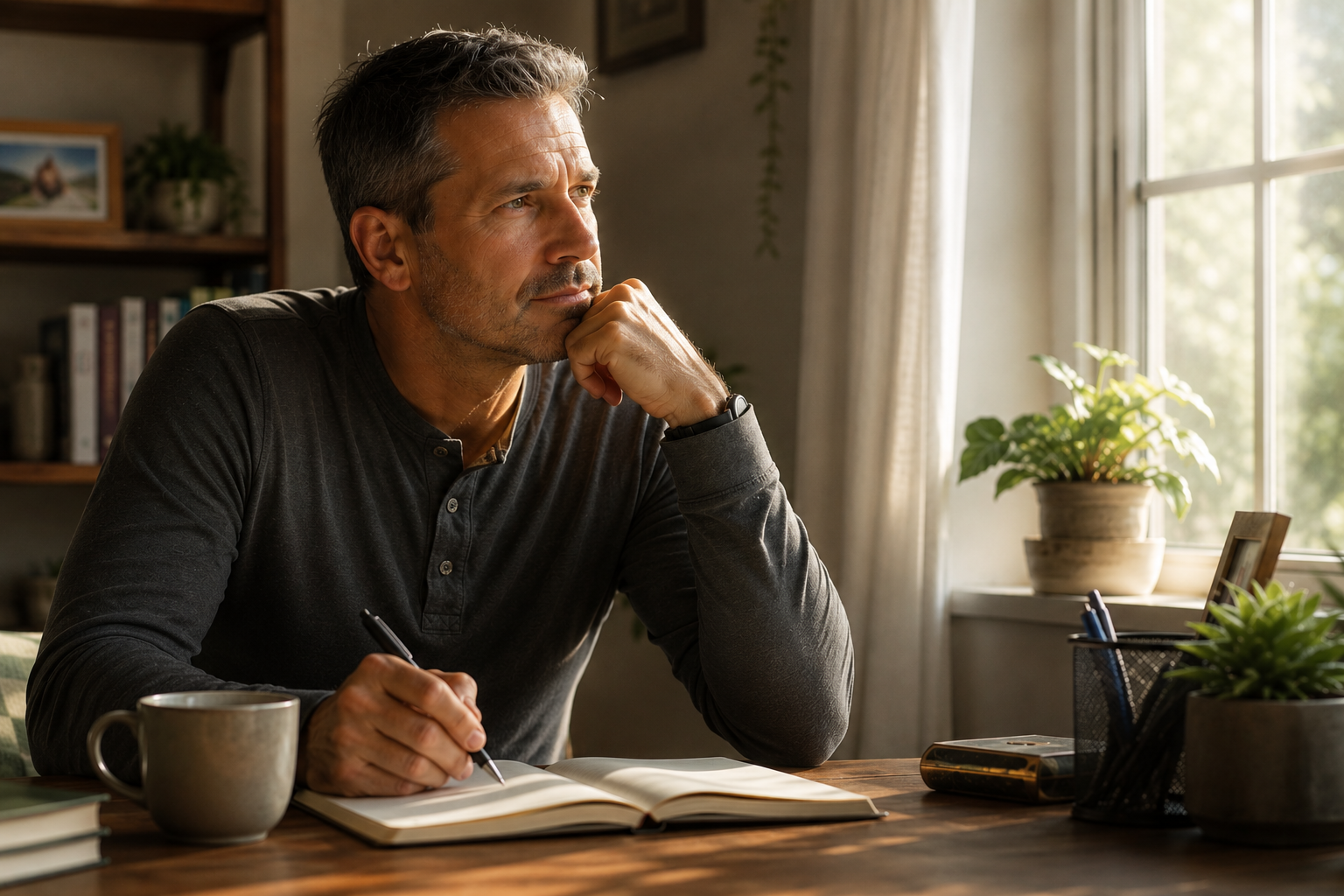
Heart attack recovery is not a straight line.
Some days you may feel stronger.
Some days you may feel tired again.
Some days you may feel hopeful.
Some days you may feel frustrated.
That does not mean you are failing.
It means you are human.
The goal is not to rush back to the old version of yourself as fast as possible. The goal is to rebuild wisely, with support, patience, and better understanding.
Start with small steps.
Eat a little better.
Sleep a little better.
Move safely, according to your care team’s guidance.
Ask better questions.
Write things down.
Track what matters.
Talk to your family.
Learn about your heart.
Take recovery seriously.
And give yourself grace.
Final Thoughts

If you are recovering from a heart attack, I want you to hear this clearly:
You are not alone.
What you are feeling matters.
The tiredness matters.
The low stamina matters.
The memory changes matter.
The fear matters.
The questions matter.
And your recovery deserves more than “good luck.”
A heart attack can happen to anyone. It happened to me when I was in great shape, and it changed the way I look at health forever.
But it also gave me a mission.
To help others feel less alone.
To encourage people to take heart recovery seriously.
To help survivors and families ask better questions.
To remind people that small daily changes matter.
And to build a community where people can walk through this journey with more support.
If this article helped you, share it with someone you love.
And if you are looking for a supportive place to learn, connect, and take small steps forward, I invite you to join CardioConnect.
You do not have to figure everything out by yourself.
Small steps matter.
And your next step matters too.
