
The History of Natural Herbs and Their Impact on Wellness Through the Centuries
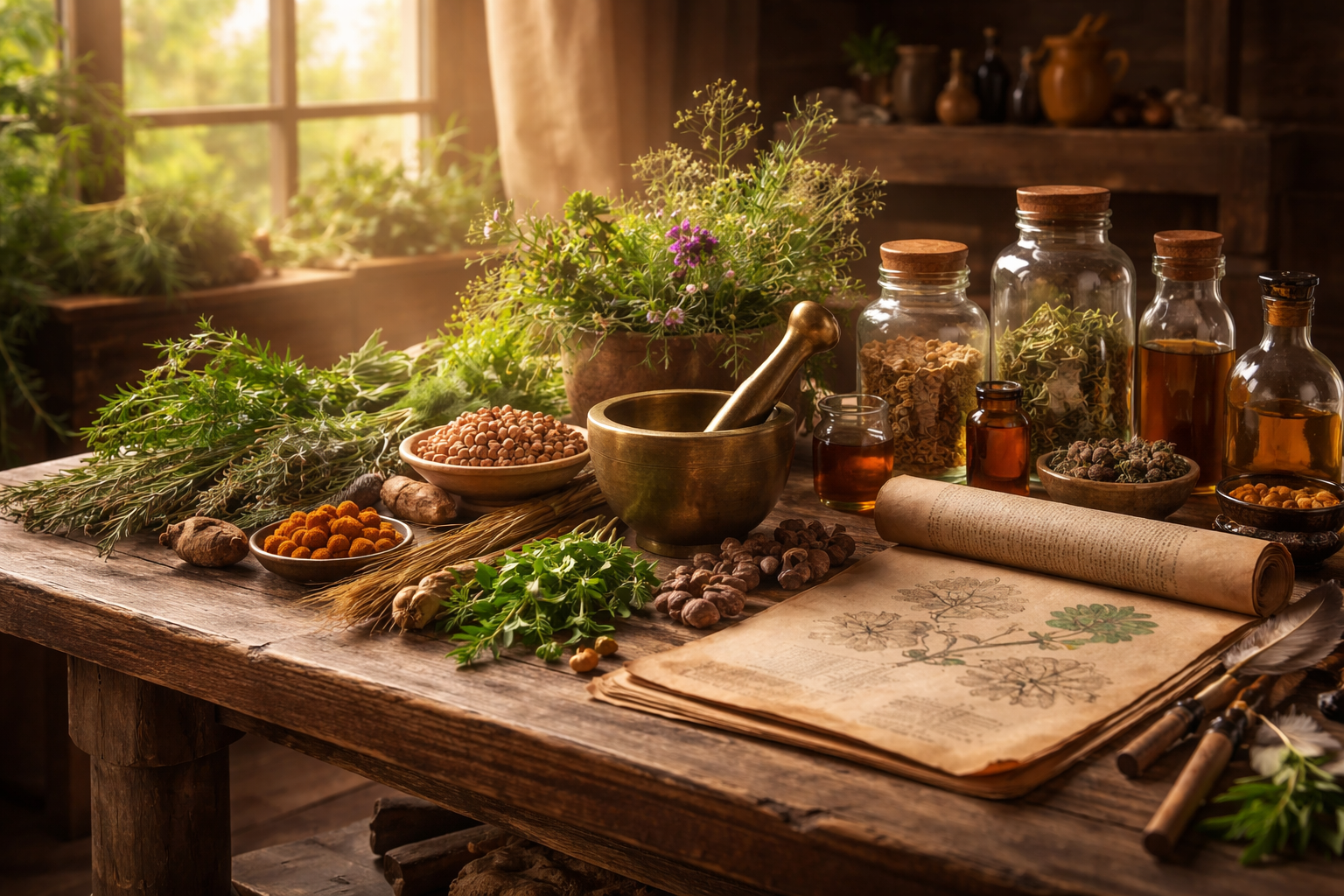
Long before modern pharmacies, laboratory testing, and prescription medications, people turned to nature for support. Leaves, roots, bark, berries, flowers, and seeds were used by ancient cultures to support healing, restore balance, and strengthen the body. Across centuries, herbs played a major role in how civilizations approached health and wellness.
Today, natural herbs still hold an important place in the conversation around nutrition, wellness, and preventive living. While modern science has brought greater clarity to safety, quality, and effectiveness, history reminds us that many of humanity’s earliest health practices began with the natural world.
For Cardio Natural, this matters because herbs are not just part of wellness trends. They are part of a much longer human story — one rooted in observation, tradition, and the search for better health.
Humanity’s earliest relationship with herbs
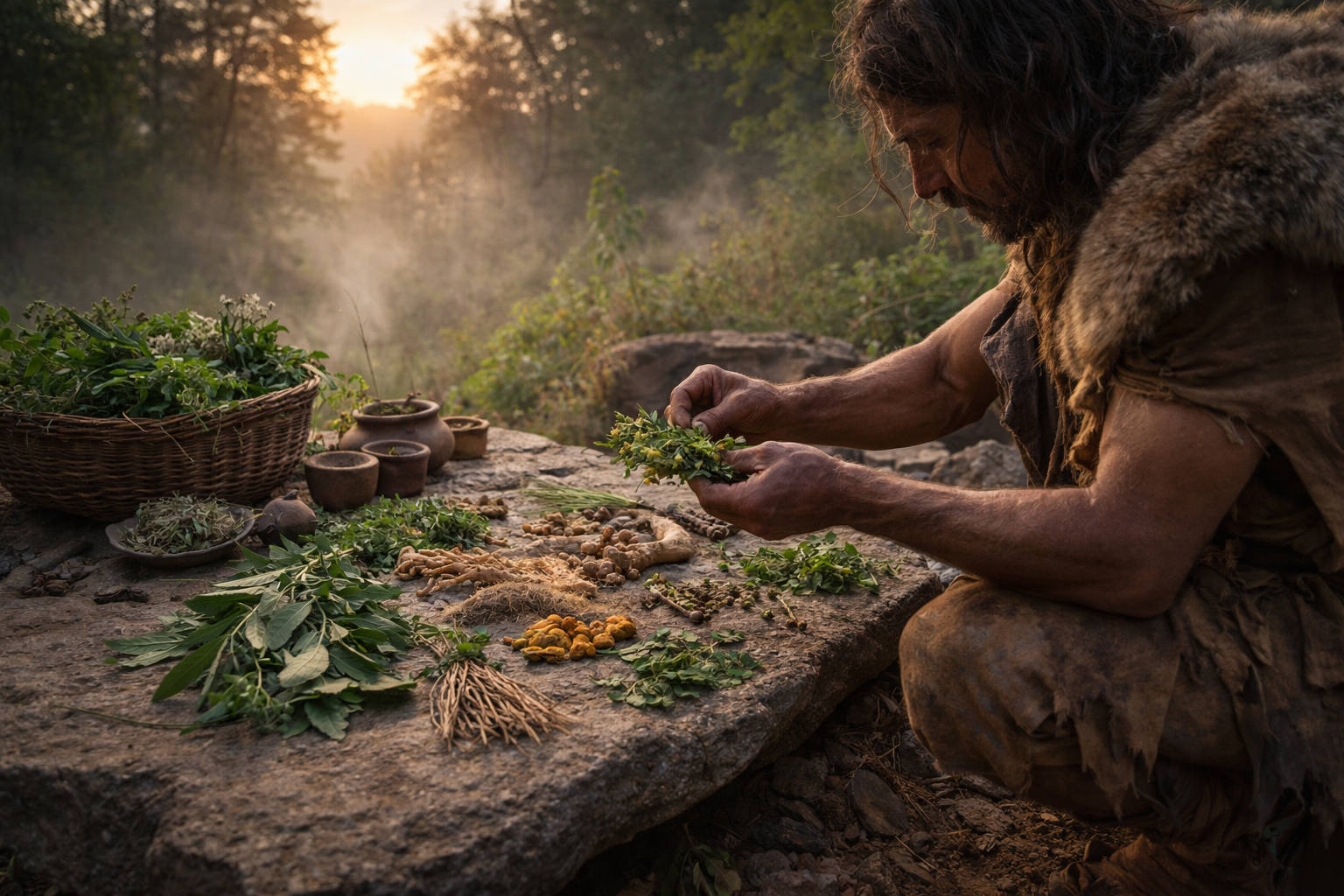
Long before written history, people learned by observation. They noticed which plants soothed discomfort, which ones energized, which ones calmed, and which ones caused harm. Over generations, this knowledge was passed down from family to family and eventually preserved in written records.
In the ancient world, herbs were not considered “alternative.” They were often the first and only line of care available. They were part of daily life, household knowledge, and community healing traditions. The use of herbs was practical, necessary, and deeply connected to survival.
This early reliance on plants laid the foundation for many of the medical systems that would later shape civilizations.
Ancient Egypt and the rise of organized herbal practice
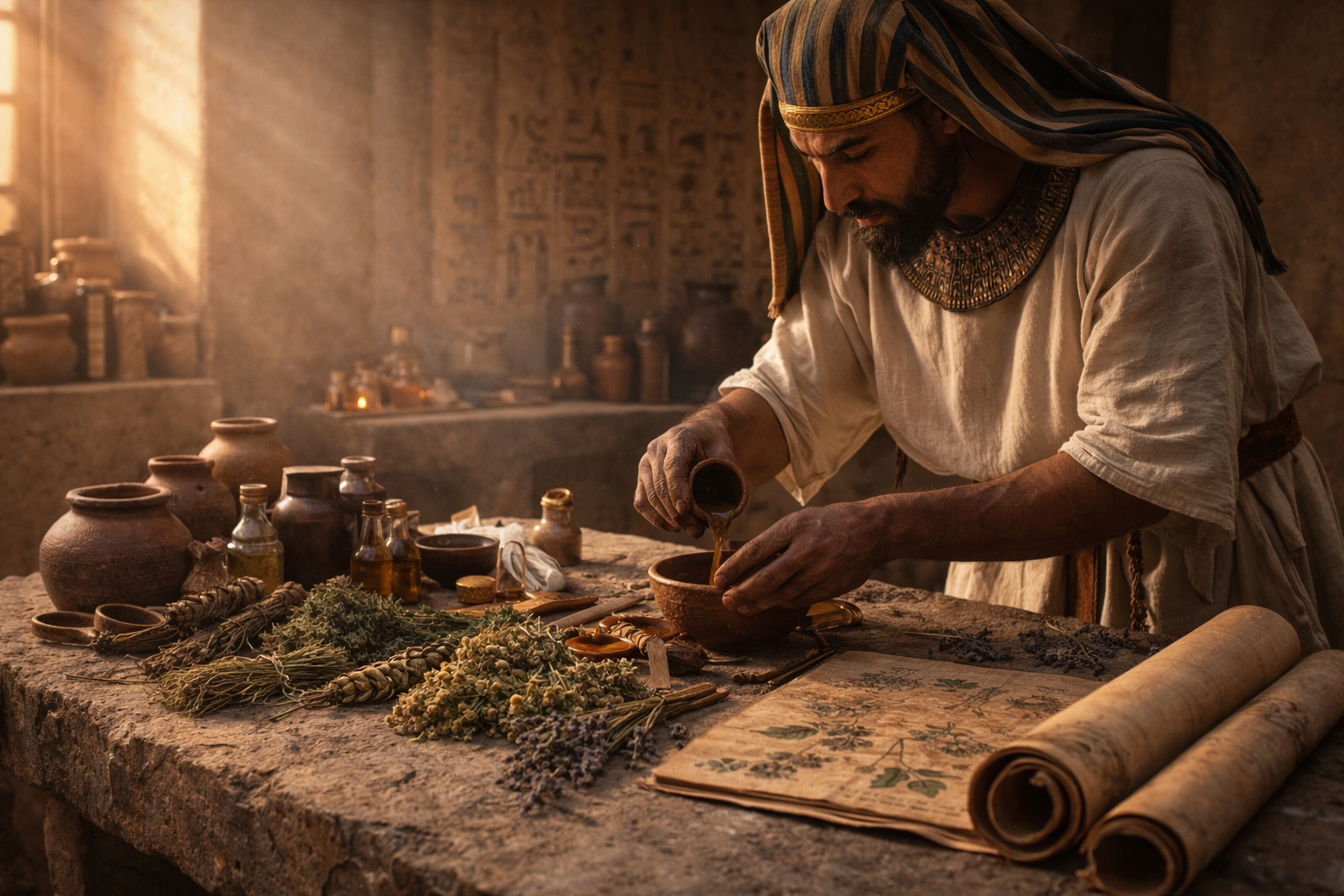
Ancient Egypt provides some of the earliest evidence of structured herbal medicine. Egyptian healers documented remedies using plants, oils, resins, and natural compounds for a wide variety of physical conditions. Their medical writings show that they were not simply guessing. They were recording, observing, and developing systems around the use of natural substances.
This is important because it shows that herbal medicine was not only folklore. Even in ancient times, there was an effort to organize natural healing into repeatable practices.
India and China built entire healing systems around herbs
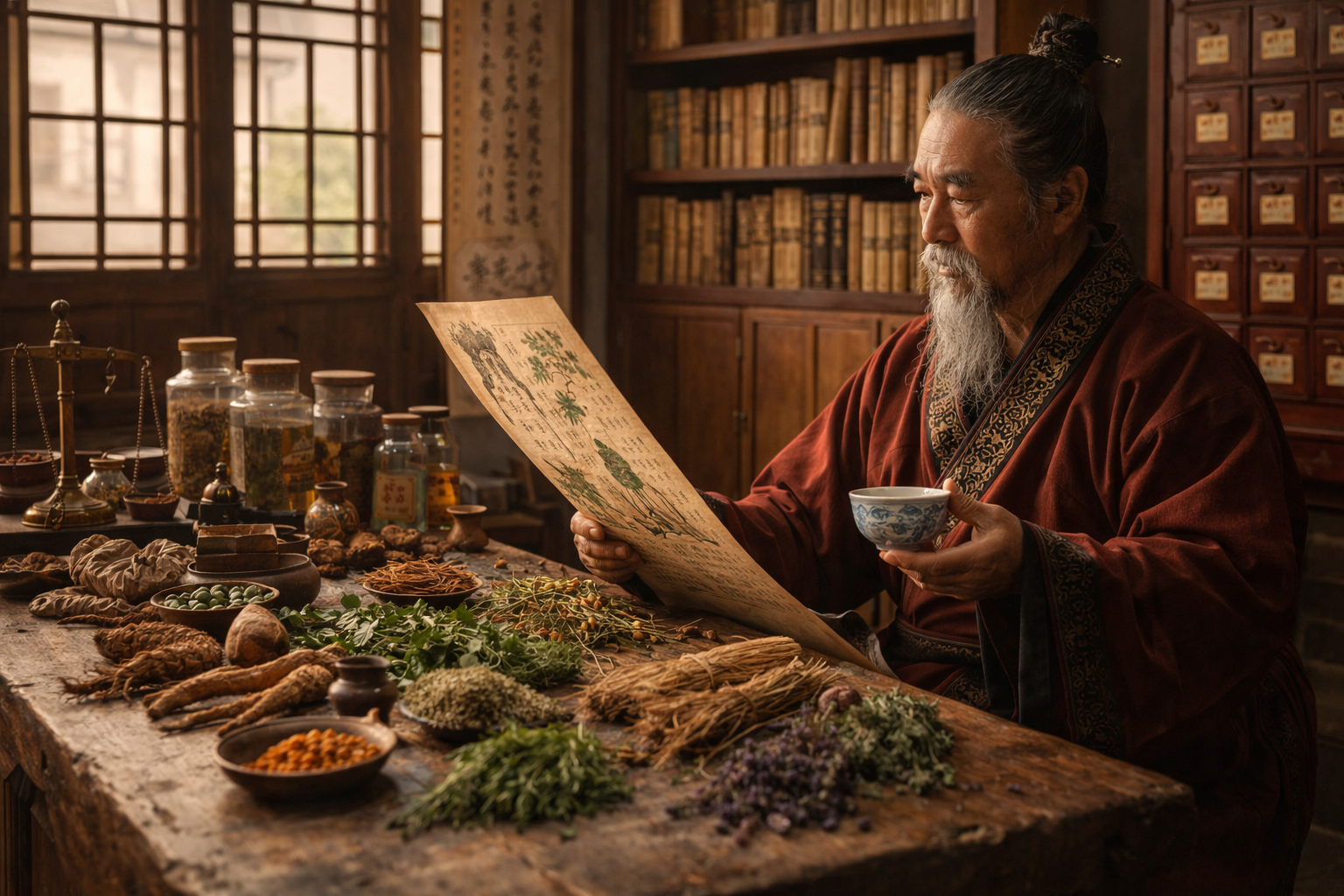
In India, Ayurveda developed into a complete wellness system centered on balance, food, herbs, lifestyle, and the individual person. In China, traditional herbal medicine became part of a broader philosophy of health that emphasized harmony within the body and alignment with the environment.
These systems viewed herbs not as isolated solutions, but as part of a bigger lifestyle pattern. That idea still has value today. Wellness is rarely about one single thing. It is usually about consistency across many areas: nourishment, movement, sleep, stress management, and supportive daily habits.
The legacy of these traditions continues to influence how many people think about health in the modern world.
Greece and Rome helped preserve and systematize herbal knowledge
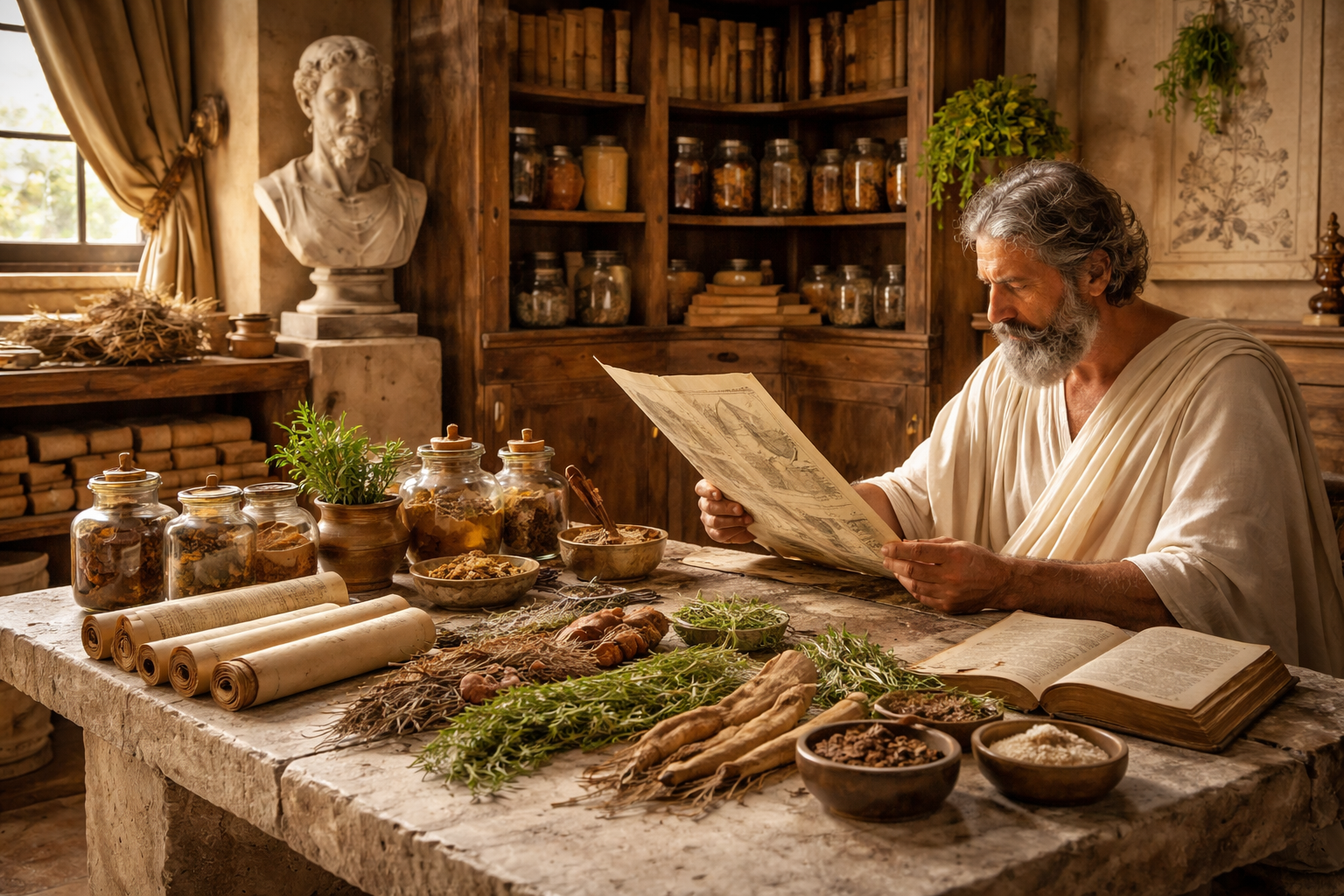
As herbal knowledge spread across the ancient Mediterranean, Greek and Roman thinkers helped organize it into early medical reference works. This was a major turning point because it moved plant knowledge from local tradition toward broader medical study.
The documentation of herbs, their properties, and their uses became part of early medical literature. These writings influenced healthcare thinking for centuries and helped shape the future of pharmacology.
This stage in history demonstrates that herbs were not a side note in medicine. They were central to its development.
The Islamic Golden Age helped advance plant-based medicine

During the Islamic Golden Age, scholars preserved earlier medical texts and expanded upon them. This period was essential in the transmission of herbal and medical knowledge across continents. Pharmacy practices improved, compounding became more refined, and botanical medicine continued to evolve.
This era also reflects how healing knowledge has always moved across cultures. Herbs were not limited to one region or one people. They became part of a shared human effort to better understand health.
Medieval Europe and the age of herbals
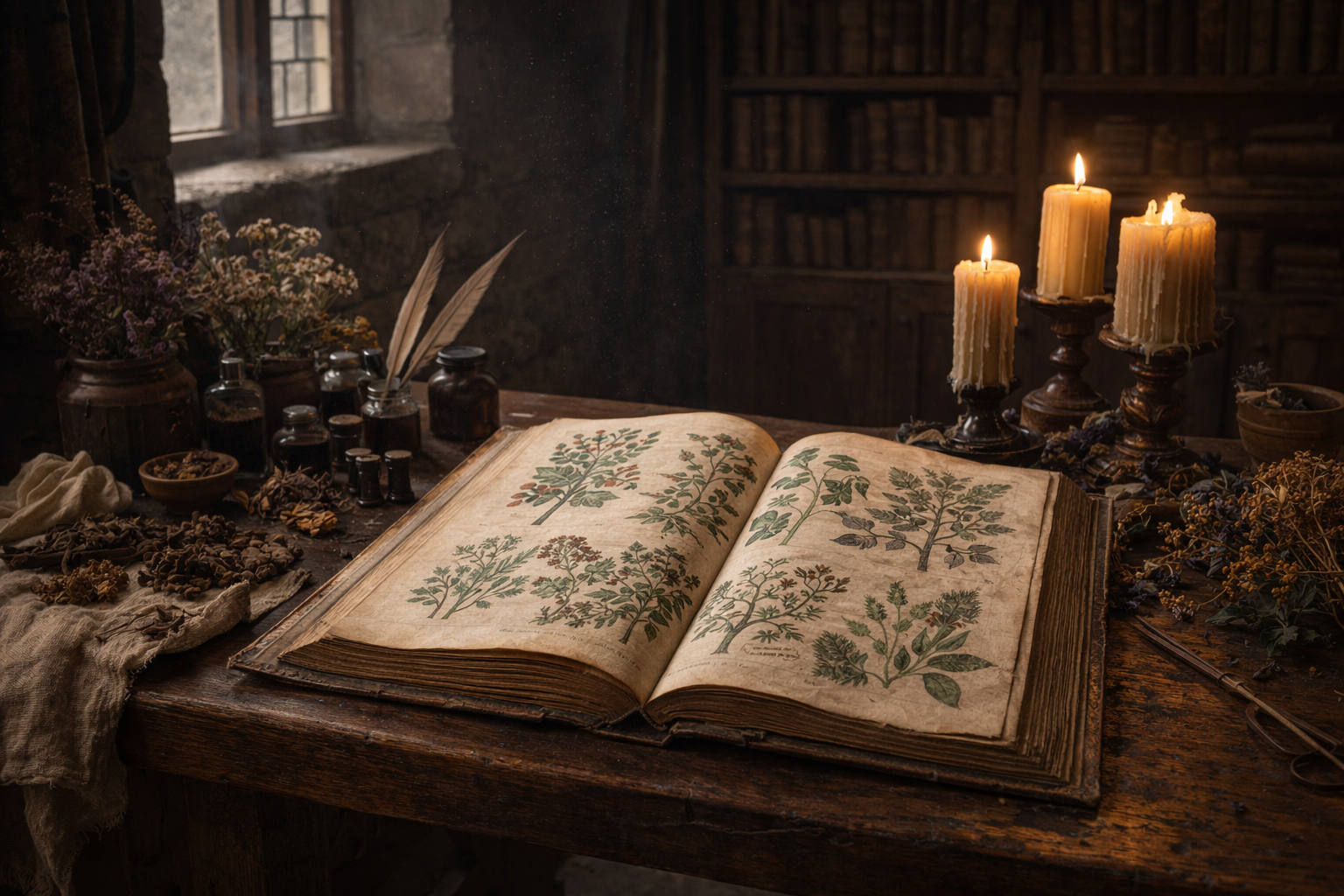
In medieval Europe, herbal wisdom continued through monasteries, healers, and illustrated herb books. These “herbals” helped preserve plant knowledge and make it more widely accessible. They described plants, their preparation, and their traditional applications.
As printing expanded, herbal knowledge spread even further. Information that was once held in local communities could now be copied and shared more broadly.
This stage of history helped transform herbs from purely oral tradition into documented resources that influenced generations.
Herbs shaped trade, culture, and economies

The influence of herbs extended far beyond healing. Medicinal plants, teas, spices, and aromatic botanicals shaped trade routes, agriculture, and global commerce. Entire economies were affected by the demand for valuable plant products.
In this sense, the history of herbs is also a history of exploration, exchange, and cultural influence. Plants changed not only medicine, but also the movement of goods, ideas, and traditions around the world.
Natural herbs helped inspire modern pharmaceuticals

One of the most fascinating parts of herbal history is how it helped influence modern medicine. Over time, scientists began isolating active compounds from plants and studying them in more controlled ways. This helped lay the groundwork for modern pharmacology.
That does not mean every traditional remedy was proven effective. It does mean that nature often provided the starting point for scientific discovery. The natural world has repeatedly served as a source of inspiration for therapeutic research.
This is one reason herbs continue to matter. Their history is not separate from modern science. In many cases, it helped lead to it.
Why herbs still matter today

Even in the modern era, herbs remain relevant for several reasons.
First, they continue to be used worldwide as part of traditional and integrative health practices.
Second, they remain a major part of the wellness conversation, especially among people who want to support their bodies through nutrition, lifestyle, and natural compounds.
Third, they connect many people to something deeper than supplementation alone. Herbs often represent heritage, family traditions, gardening, food culture, and a more natural rhythm of living.
For many people, herbs are meaningful not only because of what they may do, but because of what they represent: a return to intentional living and respect for the body.
The real lesson history teaches us

The greatest lesson the history of herbs teaches is not that every old remedy is automatically effective. It is that people have always looked to nature in the search for healing, strength, and balance.
Today, that history calls for both appreciation and responsibility.
We can appreciate the deep roots of natural wellness and the role herbs have played across generations.
But we must also be responsible by valuing quality, proper sourcing, safety, and evidence. Natural does not automatically mean harmless. And tradition alone does not replace the need for smart decision-making.
The best modern approach is one that respects both nature and knowledge.
What this means for Cardio Natural readers

At Cardio Natural, we believe the story of natural herbs is bigger than products. It is really about the long-standing human desire to live better, feel stronger, and support the body in meaningful ways.
Herbs have lasted through the centuries because they were woven into real life. They were tied to food, movement, rest, family care, and daily routines. That may be the most important takeaway for today.
Wellness is rarely built on one single answer. It is built through consistent habits, thoughtful choices, and a long-term mindset.
Natural herbs have been part of that journey for centuries. Their story continues today — and when approached wisely, they can still play a meaningful role in a modern wellness lifestyle.
Final thoughts
The history of natural herbs is the history of people learning from the world around them. Across ancient Egypt, India, China, Greece, Rome, the Islamic world, and Europe, herbs shaped the way people thought about health and healing.
Their impact has been practical, cultural, economic, and scientific.
They helped care for families before modern medicine existed. They influenced some of the earliest medical systems. They contributed to trade and knowledge exchange across civilizations. And they continue to inspire modern interest in natural wellness.
That is why herbs still matter.
Not because they are trendy.
Not because they are old.
But because they have been part of humanity’s health journey for a very long time.
Cardio Natural Closing
Want more wellness education rooted in natural living and practical habits?
Follow Cardio Natural for educational content, heart-conscious lifestyle inspiration, and resources designed to help you take simple steps toward better long-term wellness.
This article is for educational purposes only and is not medical advice. Herbs and supplements are not intended to diagnose, treat, cure, or prevent disease. Always consult a qualified healthcare professional before beginning any supplement or wellness routine, especially if you have a medical condition or take prescription medications.
